Best Automated Filling Machines for Efficient Production?
In today's fast-paced production environment, efficiency is crucial. One way to enhance productivity is through the use of automated filling machines. These machines streamline the filling process, reduce labor costs, and minimize human error. They are designed to handle various products, from liquids to powders, ensuring accuracy in every fill.
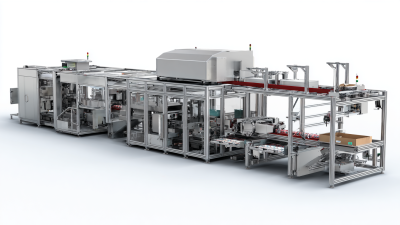
Automated filling machines come in different types and sizes, catering to diverse industries. Some are compact, ideal for small operations, while others are large, suitable for high-volume production. Many businesses still rely on manual filling methods, which can lead to inefficiencies. Relying solely on human labor can cause delays and inconsistency in product quality.
Investing in automated filling machines can transform a company’s production line. However, it's essential to choose the right machine that fits specific needs. Every production line is unique, and a one-size-fits-all approach may not work. Companies should evaluate their processes, product types, and production goals before making a decision. This consideration can lead to significant long-term benefits but may require a shift in thinking for some businesses.
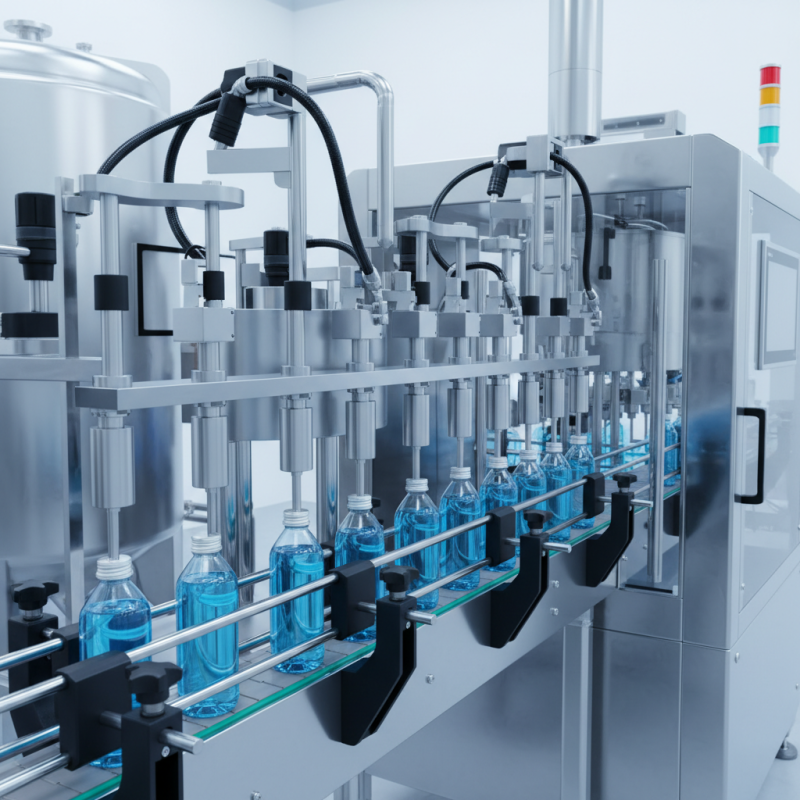
Overview of Automated Filling Machines in Modern Production
Automated filling machines play a critical role in modern production processes. These machines streamline operations by reducing manual labor and improving accuracy. They can handle various substances, from liquids to powders, across diverse industries. With precise measurement capabilities, they minimize waste and ensure product consistency. However, the effectiveness of these machines often depends on proper calibration.
In many cases, businesses find that installation and maintenance can be challenging. Workers may require training to operate these machines effectively. This necessity can lead to downtime if employees are not prepared. Moreover, while automation boosts efficiency, it can also create vulnerabilities. Technical malfunctions can halt production, leading to costly delays.
Despite these drawbacks, the benefits of using automated filling machines outweigh the challenges. Companies can produce larger quantities with less effort. The accuracy of filling improves, ensuring customer satisfaction. It's essential for manufacturers to remain aware of technological advancements and adaptability. Regular assessments can help identify potential issues before they escalate.
Types of Automated Filling Machines for Various Industries
Automated filling machines are crucial for many industries. Different types serve various needs. For instance, liquid filling machines are widely used in food and beverage sectors. They efficiently handle thick sauces, oils, and beverages. User-friendly controls enhance precision during the filling process.
In contrast, dry filling machines cater to the pharmaceutical and cosmetics industries. They are designed to fill powders, tablets, and granules. Their accuracy is vital for product consistency. Some machines struggle with different material types, affecting performance. Regular maintenance is essential to ensure they function properly.
Companies should consider their specific requirements when selecting a filling machine. Overlooking specific features can lead to inefficiencies. For example, not every machine is equipped to handle foaming liquids. Some operators may find training challenging, leading to errors during operation. These challenges highlight the importance of informed decision-making in production efficiency.
Best Automated Filling Machines for Efficient Production
| Machine Type |
Industry |
Filling Volume (L) |
Production Speed (Bottles/Min) |
Application |
| Semi-Automatic Piston Filler |
Food and Beverage |
1-10 |
20 |
Sauces, Oils |
| Automatic Gravity Filler |
Cosmetics |
0.5-5 |
30 |
Lotions, Creams |
| Rotary Filler |
Pharmaceutical |
1-100 |
120 |
Vaccines, Syrups |
| Volumetric Filler |
Chemical |
5-25 |
50 |
Detergents, Cleaners |
| Vacuum Filler |
Food Processing |
10-100 |
40 |
Soups, Purees |
Key Features to Consider When Choosing a Filling Machine
When selecting an automated filling machine, it’s essential to consider several key features. The type of filling technology is crucial. Options include volumetric, gravimetric, and pump filling. Each technology serves different types of products. For example, viscous liquids require a different approach than thin liquids. Make sure the machine aligns with your specific product requirements.
Speed and efficiency should also be examined. Look at the machine’s output rate and how it integrates with your production line. An efficient filling machine reduces bottlenecks. However, a machine that operates too quickly may compromise quality. Balancing speed and precision is vital for optimal performance.
Another factor is adaptability. Your production needs may change over time, and a machine that offers flexibility is beneficial. It should handle various container sizes and shapes. However, some machines may struggle with adjustments, leading to operational hiccups. Frequent recalibrations can disrupt workflow. Therefore, select a machine that can easily adapt while maintaining consistent output.
Benefits of Automation in Filling Process Efficiency
Automation in the filling process significantly enhances production efficiency. According to industry reports, automated systems can boost output by up to 50%. This increase can lead to better resource utilization and reduced labor costs. Many facilities see a reduction in product waste, with errors decreasing by 25%.
Moreover, automation brings consistency to production lines. It minimizes human error, ensuring each bottle is filled to precise specifications. A recent study revealed that automated systems reduce the variance in fill levels, leading to improved product quality. However, transitioning to fully automated systems requires careful planning and training. Some operators may struggle with complex machinery at first. There can be an initial learning curve that might disrupt production.
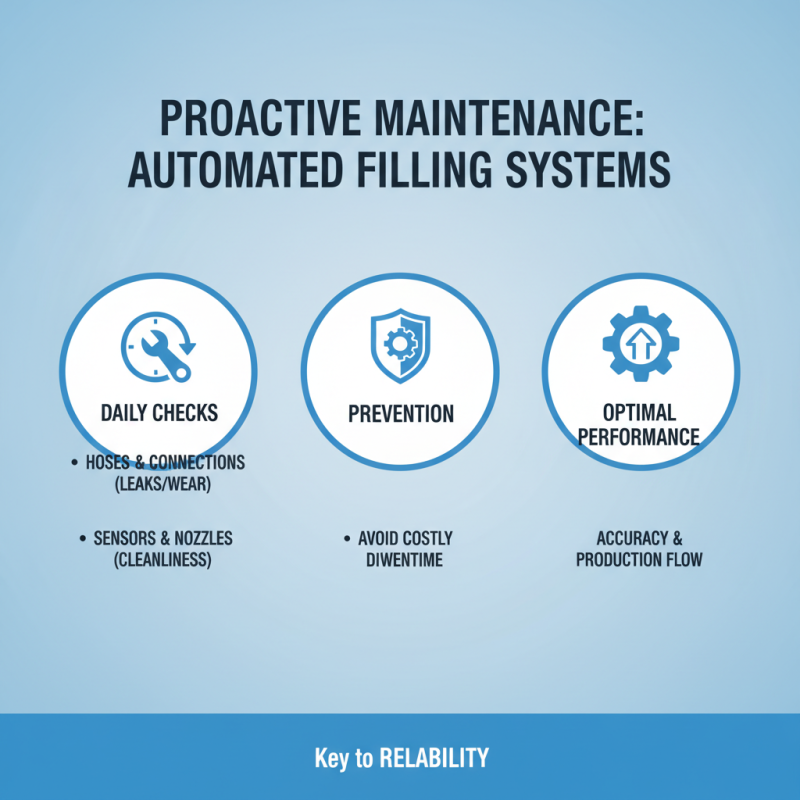
Lastly, the maintenance of automated filling machines can pose challenges. Unexpected breakdowns can lead to downtime. Companies must invest in regular maintenance and training programs to mitigate these risks. While automation offers clear benefits, the need for continuous improvement and adaptation remains critical. Facilities must evaluate their systems regularly to keep up with evolving technologies and maintain efficiency.
Efficiency of Automated Filling Machines