NEED HELP FAST? We have over 40 years' experience with Bulk Material Handling, Packaging, and Processing. (979) 217-1480 GET A QUOTE
NEED HELP FAST? (979) 217-1480 GET A QUOTE

Choosing the right Cash Register Receipt Paper is more complicated than comparing roll prices. A low-cost roll may print clearly today, yet fade quickly in a warm delivery van. Width, core size, roll length, coating quality, and printer compatibility all affect the buyer’s real cost. Small details matter.
Industry data shows why this category deserves closer attention. Grand View Research estimates that the global thermal paper market was worth approximately USD 4 billion in 2023, with continued growth expected through 2030. Smithers’ report, The Future of Thermal Paper to 2028, also highlights demand from retail, logistics, healthcare, and self-service payment systems. These reports point to a practical trend: buyers need dependable paper for varied machines and working environments, not merely the lowest quotation.
Sustainability and chemical composition also require careful review. Buyers increasingly request BPA-free or phenol-free options, supported by supplier declarations and test documentation. FSC certification may help companies verify responsible fiber sourcing, where applicable. Regional requirements can differ, so product claims should be checked against current technical and regulatory documents. A roll that fits one market may not satisfy another.
This guide compares ten receipt paper options for global buyers. It considers print contrast, storage stability, roll dimensions, packaging, compatibility, and supplier transparency. No ranking is universally right. A supermarket may value long rolls, while a food-delivery operator may prioritize compact packaging and moisture resistance. Some specifications remain unclear across suppliers, and that deserves reflection. Reliable purchasing depends on samples, written data sheets, and consistent quality checks—not attractive catalog language alone.
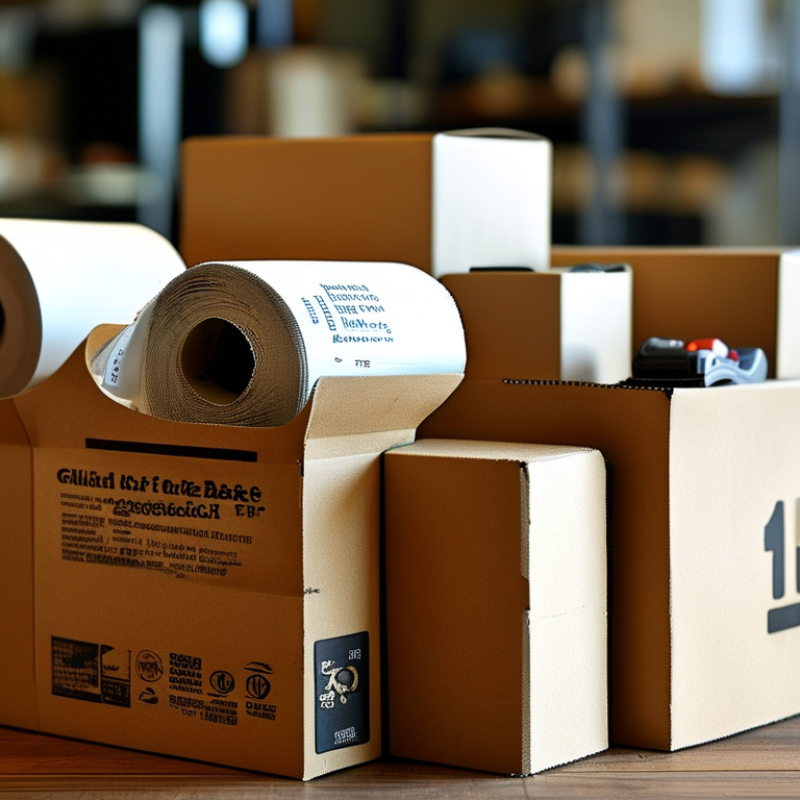
Cash register receipt paper is a narrow roll designed for point-of-sale printers. It records purchases, prices, taxes, payment details, and return information. Most modern systems use thermal paper. It does not need ink or a ribbon.
Inside a thermal printer, the print head heats selected areas of the paper. A heat-sensitive coating turns those areas dark, creating letters, numbers, and barcodes. The paper moves steadily across the head while the printer builds each line. It is fast and quiet. That matters during busy checkout periods.
Paper quality affects more than appearance. A suitable roll should match the printer’s width, core size, and roll diameter. For example, a small counter printer may accept a 57-millimeter roll, while larger systems often use 80 millimeters. The paper should feed smoothly without curling or leaving heavy dust.
I have found that low-quality rolls can produce pale text after repeated printing. That problem is easy to miss at first. Storage also matters. Heat, sunlight, moisture, and strong chemicals can damage the coating before use. Keep rolls sealed in a cool, dry cabinet.
Some buyers focus only on price, but that can be a false saving. A slightly stronger roll may reduce jams, reprints, and customer complaints. Still, no paper performs perfectly in every printer, so testing one carton before a large purchase remains a sensible step.
Choosing receipt paper starts with the cash register mechanism, not the lowest price. Thermal systems need heat-sensitive rolls that produce sharp text without ink ribbons. Check the roll width, core diameter, outer diameter, and winding direction before ordering. A small mismatch can stop a busy checkout line.
Impact printers require plain bond paper and an ink ribbon. They suit older registers and locations where receipts face heat or sunlight. Carbonless multi-part paper works with impact systems when customers need copies for records. Mobile registers usually use compact thermal rolls, often with thinner paper for easier carrying. Some back-office printers use standard bond sheets instead of rolls. Each system has different pressure, heat, and feed requirements.
In my experience, testing one carton before a large purchase prevents expensive surprises. Run a receipt through the machine and check dark areas, cutting, curling, and barcode readability. I once accepted a roll with the correct width but the wrong core size. It fed poorly. That mistake was avoidable. Store paper in a dry, moderate-temperature room, away from direct sunlight and cleaning chemicals. For international purchasing, request material details, paper thickness, coating information, and packaging measurements. Also ask whether the paper is phenol-free when local customer-contact standards require it. Supplier documents matter, but a physical test matters more.
Choosing among the ten best receipt paper options requires more than comparing roll prices. Data Bridge Market Research valued the global thermal paper market at approximately USD 4.48 billion in 2022. It projects growth to about USD 7.18 billion by 2030. This growth reflects continued demand from retail, transport, hospitality, and healthcare. Compare each option by roll length, width, core diameter, paper weight, and coating quality. A cheaper roll may contain less usable paper. Measure the whole roll.
Print clarity is equally important. Test receipts under bright light, refrigerator humidity, and repeated handling. Look for sharp black text without excessive printer heat. Low-quality coating can create fading, dark streaks, or paper dust. The Smithers report, The Future of Thermal Paper to 2028, identifies thermal printing as a continuing material choice for fast transaction environments. Still, market reports do not replace field testing. I have found that a specification sheet can look impressive, yet perform poorly in a busy checkout.
Tips: Calculate cost per printed meter, not cost per roll. Check phenol-free or responsibly sourced options, then verify supplier documentation. Confirm compatibility with your printer’s recommended roll dimensions. Store cartons away from sunlight, heat, and moisture. Keep one sample receipt for comparison. That small record helps reveal fading over time. Also review packaging waste and delivery consistency; these details are easy to overlook.
| Option | Paper Type | Common Roll Size | Typical Length | Printing Method | Main Advantages | Key Limitations | Best Use Case | Buyer Checkpoints |
|---|---|---|---|---|---|---|---|---|
| 1 | Compact Standard Thermal | 57–58 mm × 40 mm | 12–18 m | Direct thermal; no ink ribbon required | Small outside diameter, lightweight, easy to store | Shorter receipts and more frequent roll changes | Small card terminals, mobile POS devices, kiosks | Confirm printer width, core diameter, and maximum roll diameter |
| 2 | Standard Thermal | 57–58 mm × 50 mm | 25–35 m | Direct thermal; no ink ribbon required | Good balance between compact size and usable receipt length | Not suitable for printers designed for wider rolls | Portable POS systems and compact retail terminals | Check whether the device accepts 57 mm or 58 mm paper |
| 3 | Long-Roll Thermal | 57–58 mm × 80 mm | 45–60 m | Direct thermal; no ink ribbon required | Fewer roll changes and lower handling frequency | May not fit printers with a small roll compartment | Busy counters using narrow receipt printers | Compare maximum roll diameter and roll weight with printer specifications |
| 4 | Compact Wide Thermal | 79–80 mm × 40 mm | 18–25 m | Direct thermal; no ink ribbon required | Wide print area in a relatively compact roll | Shorter length than larger-diameter wide rolls | Restaurants, supermarkets, and standard desktop POS terminals | Verify paper width tolerance and core size before bulk purchase |
| 5 | BPA-Free Thermal | 79–80 mm × 80 mm | 65–80 m | Direct thermal; bisphenol A excluded by supplier declaration | Common wide format with a restricted chemical specification | “BPA-free” does not automatically mean phenol-free or recyclable | Retail, hospitality, and buyers with chemical-content requirements | Request a current declaration of compliance and identify the alternative developer used |
| 6 | Phenol-Free Thermal | 79–80 mm × 80 mm | 65–80 m | Direct thermal; phenolic developers excluded by specification | Suitable where procurement standards restrict phenolic chemistry | Usually costs more and requires stronger supplier documentation | Regulated or sustainability-focused purchasing programs | Check test reports, restricted-substance lists, and print-performance samples |
| 7 | High-Durability Thermal | 79–80 mm × 80 mm | 60–75 m | Direct thermal with protective top coating | Improved resistance to moisture, abrasion, oil, and handling | Higher cost; no thermal receipt is completely permanent | Parking, transport, outdoor service, and warranty-related receipts | Review resistance test conditions rather than relying only on “durable” claims |
| 8 | Recycled or Certified-Fiber Thermal | 79–80 mm × 80 mm | 60–80 m | Direct thermal | Supports recycled-content or responsible-fiber purchasing targets | Thermal coatings can limit recycling acceptance in some regions | Organizations with documented environmental procurement goals | Verify recycled content, certification scope, coating chemistry, and local disposal rules |
| 9 | Bond Paper | 76 mm × 76 mm | 50–70 m | Impact or ink-based printing; requires ribbon or cartridge | Readable without heat-sensitive coating and generally easier to recycle | Requires compatible printer hardware and regular ink replacement | Legacy cash registers, impact printers, and archival paperwork | Confirm printer ribbon type, paper thickness, core diameter, and feed direction |
| 10 | Two-Ply Carbonless Paper | 76 mm × 76 mm | 35–55 m | Impact printing; pressure transfers the image to the second ply | Creates a customer copy and a merchant record in one transaction | Thicker roll, limited printer compatibility, and higher material consumption | Service counters, delivery documentation, and manual recordkeeping | Check ply order, print pressure, roll thickness, and whether the printer supports multipart stock |
Comparison note: Roll lengths are typical market ranges and vary with paper basis weight, coating thickness, core size, and outside diameter. Always match the roll width, core diameter, winding direction, and maximum roll diameter to the printer manual before ordering.
When comparing the 10 best cash register receipt papers, global buyers should begin with size. Measure the roll width, core diameter, and maximum outer diameter. A few millimeters can stop a roll from fitting correctly. Check the printer manual, not only the supplier’s product title. Some machines accept 80 mm rolls, while others require 57 mm paper. Always test a sample.
Paper quality affects both readability and storage. Thermal paper should print dark, sharp text without excessive heat. A clean surface helps prevent dust from collecting inside the printer. For busy checkout counters, choose rolls with firm winding and minimal loose edges. Poor winding can cause paper jams during peak hours. Still, “premium” wording is not enough. Request measurable details, such as paper weight, thickness, print contrast, and recommended storage conditions.
Compatibility also includes the thermal coating and printer settings. Test barcodes, small characters, and long receipts before placing a large order. Store samples in a cool, dry, shaded area, away from direct sunlight and strong chemicals. Packaging should protect rolls from moisture during international transport. Ask for batch information and inspection records when available. A minor weakness is easy to miss: paper may print well today but fade after weeks of exposure. That risk deserves a real aging test, even when the supplier appears reliable.
Storage, sustainability, and purchasing discipline shape the best receipt paper choices. Receipt rolls should stay sealed, dry, and away from direct sunlight. Temperatures above 30°C can accelerate thermal image fading. High humidity may also soften paper edges and damage carton packaging. Storage is often overlooked. A simple rotation system helps buyers use older cartons first.
Sustainability needs measurable evidence, not attractive claims. The European Paper Recycling Council reported an 80.5% paper recycling rate in Europe in 2023. However, thermal coatings can complicate recycling and may require separate handling. The Food and Agriculture Organization recorded global paper and paperboard production near 417 million tonnes in 2022. That scale makes material efficiency important. Buyers should request recycled-content percentages, coating details, and verifiable environmental documentation.
International purchasing adds technical risks. Roll width, diameter, core size, winding direction, and printer compatibility must match local equipment. Request a technical data sheet and safety documentation before placing a large order. For European distribution, suppliers must respect the restriction limiting bisphenol A in thermal paper to 0.02% by weight under EU Regulation 2016/2235. Other markets may apply different chemical requirements. I would not rely on one certificate alone. Packaging language, pallet conditions, humidity protection, and batch traceability deserve equal attention. Small sample tests remain valuable, although they cannot predict every long-distance storage problem.
Storage, sustainability, and international purchasing benchmarks