NEED HELP FAST? We have over 40 years' experience with Bulk Material Handling, Packaging, and Processing. (979) 217-1480 GET A QUOTE
NEED HELP FAST? (979) 217-1480 GET A QUOTE
China Top 10 Mineral Bags Suppliers for Global Buyers?
China has become a major sourcing base for mineral packaging, serving buyers across construction, ceramics, agriculture, and industrial manufacturing. This guide introduces ten leading Mineral Bags Supplier candidates for global purchasing teams. It focuses on practical capabilities, not attractive claims alone.
The evaluation considers woven polypropylene quality, bag structure, printing accuracy, and production consistency. It also reviews valve bags, open-mouth bags, laminated sacks, and jumbo bags for bulk mineral powders. A reliable supplier should explain fabric weight, seam strength, filling performance, and moisture protection clearly. Factory audits, sample testing, and production records can reveal more than a polished website. Small details matter. A clean stitching line can prevent powder leakage during transport.
Export experience is another key factor. Buyers should examine packaging standards, container loading methods, lead times, and communication after payment. Relevant certifications may support credibility, but documents still require verification. No supplier fits every mineral product or destination. That is an important limitation. Bag performance can change with particle size, density, humidity, and filling equipment.
This overview therefore compares suppliers through a buyer-focused lens. It highlights manufacturing experience, customization ability, quality controls, and evidence of dependable delivery. Readers should treat the list as a starting point, not a final purchasing decision. Request current samples. Confirm specifications in writing. Conduct independent checks when order value is significant. Careful comparison can reduce leakage, damaged shipments, and costly repacking.
What Are Mineral Bags and Why Does China Lead Their Global Supply?
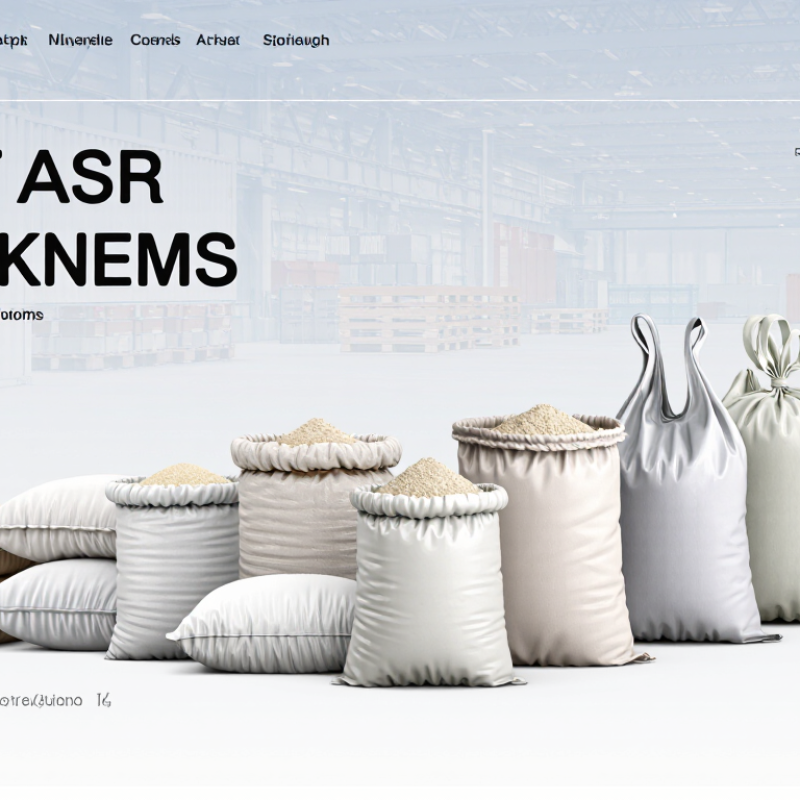
Mineral bags are industrial sacks designed to carry powders and granules such as cement, gypsum, lime, and calcium carbonate. Most use woven polypropylene, kraft paper, or laminated layers. Each material serves a practical purpose. Woven fabric resists tearing, while an inner film improves moisture protection. Valve openings also support faster, cleaner filling on factory lines.
China leads global supply because its packaging ecosystem is unusually complete. Resin producers, weaving mills, printing plants, and bag converters often operate within the same industrial region. This shortens production cycles and simplifies quality coordination. Export ports, container networks, and flexible manufacturing capacity add further advantages. A buyer can request small trial orders, custom dimensions, printed handling marks, or stronger seams without rebuilding the entire supply chain.
Quality still requires careful checking. Test the bag’s drop resistance, seam strength, valve performance, and pallet compression before approving a large order. Inspect samples for pinholes, uneven laminates, weak stitching, and dusty filling behavior. Practical sourcing experience shows that the lowest quotation may hide thinner fabric or inconsistent weight. That matters.
China’s supply strength is real, but it is not automatic reliability. Buyers should review factory records, material specifications, inspection reports, and production samples. I would also question whether attractive customization creates unnecessary waste. A well-designed mineral bag protects the product, workers, transport loads, and the buyer’s reputation.
China Top 10 Mineral Bags Suppliers for Global Buyers? - What Are Mineral Bags and Why Does China Lead Their Global Supply?
An anonymized procurement comparison of common Chinese mineral-bag supplier profiles and export-ready manufacturing capabilities
| Profile | Typical Supplier Focus | Recommended Bag Structure | Common Mineral Applications | Typical Capacity Range | Printing & Closure Options | Indicative MOQ | Typical Lead Time | Buyer Verification Points |
|---|---|---|---|---|---|---|---|---|
| 01 | Standard PP woven bag manufacturer | PP woven Optional PE liner 25–50 kg block-bottom or stitched bag | Cement, limestone powder, gypsum, dolomite | Usually 25 kg, 40 kg, or 50 kg per bag | Flexographic or rotogravure printing; open mouth or sewn closure | Approximately 10,000–30,000 pieces | 15–30 working days | Fabric GSM, seam strength, bag weight, drop-test results, liner fit |
| 02 | Heavy-duty woven packaging specialist | Reinforced PP Laminated surface High-strength 50 kg bags for dense powders | Barite, bentonite, silica sand, mineral concentrates | 25–50 kg; reinforced constructions for higher handling stress | Multi-color exterior printing; heat-cut or sewn top; optional anti-slip finish | Approximately 15,000–40,000 pieces | 20–35 working days | Tensile strength, puncture resistance, coefficient of friction, pallet stability |
| 03 | Paper valve bag producer | 2–4 ply kraft paper Valve construction Optional PE or PP moisture barrier | Cement, calcium carbonate, plaster, tile adhesive | Usually 20–50 kg per bag | Rotogravure or flexographic printing; pasted valve or open-mouth finish | Approximately 10,000–25,000 pieces | 20–40 working days | Paper grammage, valve performance, moisture resistance, burst strength |
| 04 | Laminated PP bag converter | PP woven + BOPP film Gloss or matte surface Premium printed sack | Decorative mineral powders, construction chemicals, grout, fillers | 10–50 kg; commonly used for retail-ready packaging | High-definition gravure printing; sewn or ultrasonic-sealed options | Approximately 20,000–50,000 pieces | 25–45 working days | Color consistency, barcode readability, lamination bond, scuff resistance |
| 05 | Small-format mineral powder bag supplier | Paper PE film PP woven 5–25 kg formats for distribution | Industrial fillers, pigment extenders, laboratory minerals, hobby materials | 5 kg, 10 kg, 20 kg, or 25 kg per bag | Multi-color printing; heat-sealed PE or sewn PP closures | Approximately 20,000–60,000 pieces | 20–35 working days | Filling-machine compatibility, net-weight tolerance, dust leakage, retail labeling |
| 06 | Moisture-barrier packaging specialist | PP woven + PE liner Aluminum or metallized film option Humidity-sensitive construction | Hydrated lime, calcium chloride, plaster, hygroscopic mineral powders | 20–50 kg; barrier selection depends on storage conditions | Printed outer sack; heat-sealed inner liner; optional degassing feature | Approximately 15,000–40,000 pieces | 25–45 working days | Water-vapor transmission, liner seal integrity, shelf-life testing, storage trials |
| 07 | FIBC and bulk mineral bag supplier | PP woven FIBC Coated or uncoated 500–2,000 kg bulk bag | Mineral concentrates, aggregate powders, industrial sand, ore-derived products | Common safe working loads: 500–2,000 kg | Body or document-pocket printing; filling and discharge spout options | Approximately 500–2,000 pieces | 25–50 working days | SWL and safety factor, lifting-loop design, seam inspection, discharge performance |
| 08 | Food- and chemical-grade bag producer | Food-contact PP Clean inner liner Controlled-production woven bag | Food-grade calcium carbonate, mineral additives, salt, feed minerals | 10–50 kg, subject to filling and handling requirements | Low-migration inks; sewn, valve, or heat-sealed closure | Approximately 20,000–50,000 pieces | 30–50 working days | Declaration of compliance, migration testing, traceability, hygiene controls |
| 09 | Custom export-packaging integrator | Multi-material solutions Container optimization Customized bag and pallet configuration | Mixed mineral product lines, private-label industrial packaging, global shipments | 10–50 kg bags or bulk formats depending on product density | Custom artwork, multilingual labels, pallet wrapping, container loading plans | Approximately 10,000–30,000 pieces | 25–45 working days | Export documentation, carton and pallet dimensions, loading efficiency, test samples |
| 10 | Sustainable packaging developer | Recyclable PP Recycled-content option Paper-based alternatives where suitable | Construction minerals, fillers, aggregates, environmentally focused product ranges | 20–50 kg; recycled-content percentage depends on required performance | Water-based ink options; mono-material design; sewn or valve closure | Approximately 20,000–50,000 pieces | 30–55 working days | Recycled-content evidence, recyclability claims, strength retention, ink compliance |