NEED HELP FAST? We have over 40 years' experience with Bulk Material Handling, Packaging, and Processing. (979) 217-1480 GET A QUOTE
NEED HELP FAST? (979) 217-1480 GET A QUOTE

Choosing reliable Paper Cylinders suppliers in China requires more than comparing catalog prices. Global buyers must examine material quality, winding technology, printing accuracy, moisture resistance, and export experience. A strong manufacturer should provide clear specifications, stable production records, and samples that match large-scale orders.
Packaging sustainability expert Robert G. Lilienfeld has stated, “The best package is the one that uses the least material to do the job.” This principle matters when evaluating paper cores, mailing tubes, gift cylinders, and industrial packaging. A lighter cylinder may reduce freight costs, but weak walls can cause crushing during storage or transport. Small details matter.
This guide introduces China’s top 10 Paper Cylinders manufacturers for global buyers. The selection considers product range, customization capability, quality systems, production capacity, and communication reliability. It also considers practical buyer concerns, including inner diameter tolerance, adhesive performance, surface finish, and carton protection. Factory photographs are useful. Independent samples are better.
No ranking can fit every purchasing situation. A cosmetics brand may prioritize premium printing, while a textile producer may need exceptional compression strength. Some suppliers look impressive online but provide limited technical documentation. That deserves caution. Buyers should verify certifications, inspect samples, and confirm production lead times before signing contracts. Price remains important, but consistency usually protects the budget better. This overview offers a practical starting point, not a substitute for due diligence.
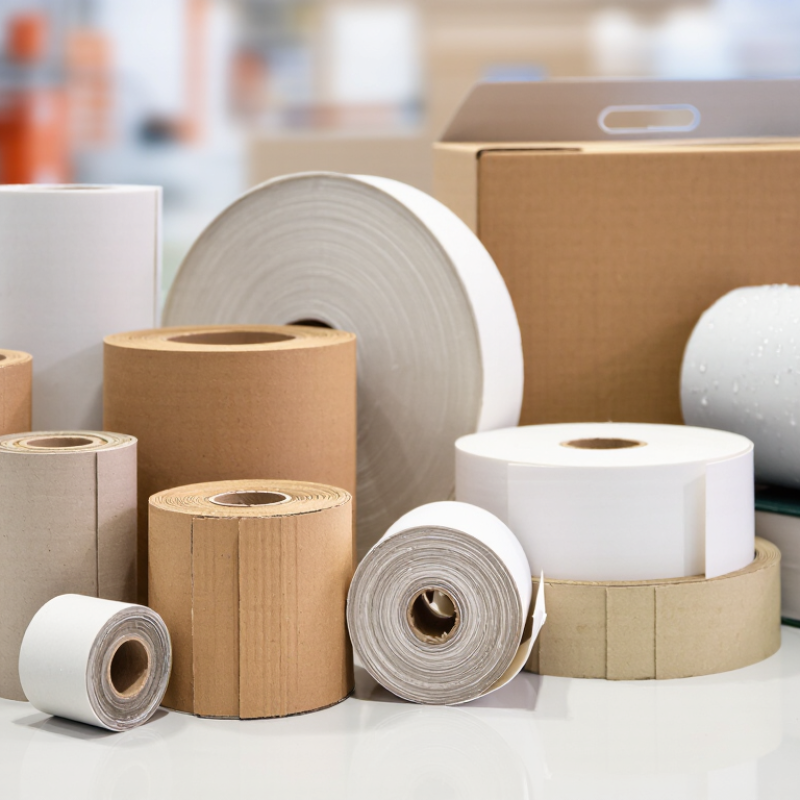
China’s paper cylinder industry serves packaging, logistics, textiles, printing, and industrial converting. The China Paper Association reported 129.65 million tonnes of paper and paperboard production in 2023. This large base supports broad cylinder manufacturing capacity.
Common products include spiral-wound tubes, parallel-wound cores, convolute tubes, mailing tubes, and composite canisters. Spiral-wound cores suit films, labels, textiles, and flexible materials.
Convolute tubes offer smoother surfaces for premium packaging. Heavy-wall cylinders can protect posters, technical drawings, and long products during shipment.
Product specifications often cover inner diameter, wall thickness, compression strength, moisture resistance, and print finish.
Quality varies more than buyers expect.
Smithers’ global packaging research continues to identify fiber-based packaging as a strong growth area, driven by recyclability and plastic reduction efforts.
However, paper cylinders are not automatically sustainable. Adhesives, liners, coatings, and mixed materials can complicate recycling. That detail deserves attention.
Buyers should request test records, moisture data, core concentricity results, and production samples. Factory audits should also review winding tension, edge trimming, batch traceability, and storage humidity.
Some suppliers publish excellent catalogs but provide limited independent testing. That is an uncomfortable weakness. For global buyers comparing leading Chinese manufacturers, verified capacity matters more than impressive product photos.
China’s paper cylinder sector is large, but scale does not guarantee consistent quality. The China Paper Association reported roughly 141 million tonnes of paper and paperboard production in 2023. Buyers should examine factory capability, not catalogue variety. Ask for monthly output, machine limits, wall thickness, and recent export records.
Request a production sample with your exact diameter, length, paper grade, and closure design. Check compression strength, moisture resistance, edge accuracy, and surface bonding. ISO 12048 testing can measure package compression under controlled conditions. A simple warehouse test also helps: stack filled cylinders for 48 hours and inspect deformation. It is not a laboratory result. However, it exposes weak designs quickly.
A supplier’s quality system deserves careful review. ISO’s 2023 Survey recorded more than 700,000 ISO 9001 certificates in China, yet certification alone proves little about each shipment. Verify batch records, incoming-paper inspection, adhesive controls, and corrective-action reports. Ask whether recycled fiber content is tested or merely stated. A glossy sample can mislead. I have found that production consistency matters more than the first sample’s appearance. Compare three batches, including one made during peak season. Also confirm export packaging, moisture barriers, lead times, and independent test reports before signing. Fancy promises often hide ordinary weaknesses.
Top 10 Chinese Paper Cylinder Manufacturers for Global Buyers
China’s paper cylinder industry serves packaging, mailing, textile, and industrial markets worldwide. Global buyers often compare the top 10 Chinese paper cylinder manufacturers by production capacity, material control, and export experience. A strong manufacturer should provide clear specifications for diameter, wall thickness, length, and compression strength. Small details matter.
During supplier audits, buyers should inspect winding equipment, adhesive storage, cutting accuracy, and finished-goods protection. Moisture can weaken paper cylinders before they reach the warehouse. Reliable factories usually use documented inspections and retain production samples for reference. Ask for test data, not only attractive product photos. Samples should match the confirmed order.
Sustainable sourcing also requires careful questions. Buyers can request information about recycled paper content, adhesive composition, packaging materials, and responsible waste handling. Quality certificates may support trust, but they do not replace independent verification. No manufacturer is perfect. A rushed sample review can hide poor edge finishing or inconsistent inner dimensions. I have found that honest communication about limitations often predicts better cooperation than impressive claims. Confirm lead times, loading methods, payment terms, and after-sales procedures in writing. A supplier may offer a low price, yet uneven strength can create higher costs during filling, stacking, or transport. Global buyers should compare the complete supply process, not just the cylinder itself.
The chart shows commonly specified paper core inner diameters used by global packaging, film, textile, label, and converting buyers. Values are based on standard inch sizes converted into millimetres and are presented as industry reference dimensions rather than company-specific performance data.
China’s paper cylinder manufacturers serve buyers who need stable quality, practical customization, and scalable production. Experienced suppliers control paper moisture, wall thickness, adhesive strength, and dimensional accuracy throughout manufacturing. These details affect stacking, winding, labeling, and transport performance.
Small details matter. Buyers should request samples before approving mass production. Check the tube’s inner diameter, outer diameter, length, seam finish, and compression behavior. Reliable factories usually maintain inspection records and use calibrated tools for routine checks. Depending on the application, testing may include edge crush, drop resistance, moisture response, and odor evaluation. Any food-contact or export requirement should follow applicable local regulations and documented material controls.
Customization may cover paper grade, thickness, color, printing, end closures, surface coating, and protective inserts. A capable production team can convert drawings into prototypes, then adjust tooling without losing repeatability. Production capacity matters too. Ask about monthly output, lead times, machine flexibility, quality checkpoints, and backup processes during peak demand. A clear sample approval system reduces misunderstandings.
No factory gets every variable right.
Even strong suppliers may face paper variation, seasonal humidity, or occasional print shade differences. That weakness deserves open discussion, not hidden promises. Buyers can improve reliability by defining tolerances, inspection methods, packing standards, and corrective-action procedures in writing. Factory audits, production photos, and pre-shipment inspections provide useful evidence, though none replaces careful testing.
| Reference Profile | Typical Product Focus | Available Diameter Range | Typical Wall Thickness | Paper Material Options | Customization Capabilities | Quality and Compliance Options | Typical Production Capability | Export and Buyer Considerations |
|---|---|---|---|---|---|---|---|---|
| Manufacturer 01 | Industrial paper cores for film, foil, labels, and flexible packaging | 25–500 mm | 2–15 mm | Recycled kraft paper; virgin kraft paper; moisture-resistant paper | Cut-to-length service; custom inner diameter; printed outer surface; grooved or chamfered ends | ISO 9001 optionFSC paper optionMoisture testing | Small to high-volume production; suitable for repeat industrial orders | Confirm winding hardness, compression strength, pallet dimensions, and container loading plan |
| Manufacturer 02 | Paper tubes for textiles, yarn, thread, and nonwoven materials | 20–250 mm | 1.5–10 mm | High-strength kraft liner; recycled paperboard; smooth-finish paper | Precision length tolerance; tapered tubes; color coding; barcode or batch marking | Dimensional inspectionWeight controlTraceability option | Automatic spiral or convolute winding; custom batch production | Request samples for yarn release, surface smoothness, concentricity, and stacking performance |
| Manufacturer 03 | Paper cores for plastic film, stretch film, tape, and adhesive products | 38–406 mm | 3–12 mm | High-density kraft paper; abrasion-resistant outer paper; recycled grades | Custom core length; tight internal tolerance; reinforced edges; surface coating options | Compression testingMoisture inspectionREACH-supporting documentation | Medium to high-volume production with scheduled repeat orders | Verify mandrel fit, radial crush strength, moisture resistance, and winding line compatibility |
| Manufacturer 04 | Heavy-duty paper tubes for construction materials, carpet, and industrial laminates | 100–800 mm | 8–25 mm | Multi-ply kraft paper; heavy recycled board; reinforced composite paper | Large-diameter winding; reinforced ends; custom load-bearing design; anti-crush construction | Load testingCompression testingBatch inspection | Made-to-order production for large and heavy rolls | Confirm maximum roll weight, storage humidity, forklift handling, and container utilization |
| Manufacturer 05 | Decorative paper cylinders for gift packaging, cosmetics, food, and promotional packaging | 30–300 mm | 1.2–8 mm | White kraft paper; coated paper; recycled board; food-contact-suitable paper when specified | Offset or digital printing; embossing; foil effects; windows; lids; inserts; custom colors | FSC optionFood-contact documentation when applicableColor proofing | Prototype, short-run, and mass-production support | Confirm applicable food-packaging rules, ink specifications, odor requirements, and artwork tolerances |
| Manufacturer 06 | Paper canisters and rigid composite containers for dry goods and consumer products | 45–220 mm | 1.5–7 mm | Paperboard; kraft paper; coated barrier paper; aluminum or polymer barrier layers when required | Metal or paper lids; tear strips; inner liners; tamper-evident features; custom opening systems | Barrier testingLeakage inspectionFood-packaging test support | Integrated forming and assembly for retail packaging programs | Define barrier requirements for oxygen, moisture, grease, aroma, and shelf-life performance |
| Manufacturer 07 | Paper cores for printing, paper converting, and label-stock applications | 25–500 mm | 2–14 mm | Precision kraft paper; recycled kraft; low-lint paper grades | High concentricity; narrow length tolerances; custom hardness; slitting and edge finishing | Concentricity inspectionHardness testingLow-lint control | High-volume production with specification-based quality control | Request core plug gauge data, ovality results, moisture range, and roll-start performance samples |
| Manufacturer 08 | Protective paper tubes for shipping posters, artwork, documents, and long products | 40–180 mm | 1.5–6 mm | Recycled paperboard; kraft paper; crush-resistant spiral-wound board | Telescopic tubes; custom caps; snap-on lids; mailing labels; printed outer packaging | Drop-test supportCrush testingISTA test planning | Standard-size and custom-size packaging production | Confirm parcel dimensions, cap retention, drop-test requirements, and courier surcharge limits |
| Manufacturer 09 | Paper cores and tubes for agricultural film, irrigation products, and outdoor materials | 50–600 mm | 3–18 mm | Water-resistant kraft paper; multi-ply recycled paper; reinforced outer wrap | High-strength winding; moisture-resistant treatment; custom end protection; heavy-load specifications | Humidity conditioningCompression testingMoisture-resistance inspection | Medium to high-volume manufacturing for industrial roll goods | Specify climate conditions, outdoor exposure, roll weight, storage duration, and end-use handling method |
| Manufacturer 10 | Custom paper cylinders for engineering prototypes, retail displays, and specialty projects | 20–1,000 mm | 1–30 mm | Recycled paper; virgin kraft; coated board; specialty decorative papers | Prototype development; unusual dimensions; multi-part assemblies; printing; cutting; inserts; fittings | Prototype inspectionMaterial documentationPre-shipment inspection | Prototype, low-volume, and scalable production programs | Provide technical drawings, annual demand, tolerance requirements, packaging needs, and target delivery schedule |
China Top 10 Paper Cylinder Manufacturers for Global Buyers
Export Services, Pricing Factors, and Supplier Selection Criteria
China’s paper cylinder sector benefits from a large converting base and broad export capacity. FAO forestry data places global paper and paperboard production above 400 million tonnes annually, supporting steady access to kraft paper and recycled fibers. However, buyers should judge suppliers beyond factory photos. Reliable export service includes pre-shipment inspection, moisture protection, accurate packing lists, commercial invoices, and clear Incoterms. The World Bank’s 2023 Logistics Performance Index assesses customs, infrastructure, shipment arrangements, logistics quality, tracking, and timeliness. Ask suppliers for evidence across these areas.
Pricing depends on more than diameter and length. Paper grade, wall thickness, adhesive type, printing coverage, cutting tolerance, tooling, order quantity, and pallet configuration all affect the final cost. Freight can change quickly when cylinders require oversized cartons or low container utilization. Request a landed-cost comparison, not only a factory quotation. A useful quotation should separate product price, tooling, packaging, inspection, inland transport, and ocean freight. Small details matter.
Supplier selection needs measurable proof. Review recent test reports for compression strength, moisture resistance, and dimensional accuracy. Confirm production capacity during peak seasons, payment terms, replacement policy, and export-document experience. Certifications may support traceability, but they do not replace independent testing. One uncomfortable point: the cheapest offer can hide weak cores, unstable adhesives, or poor packing. Some specifications are still unclear during early discussions. Recheck samples after mass-production approval.