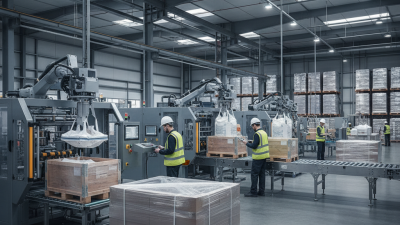
Why Choose Bagging Machines for Your Business Needs?
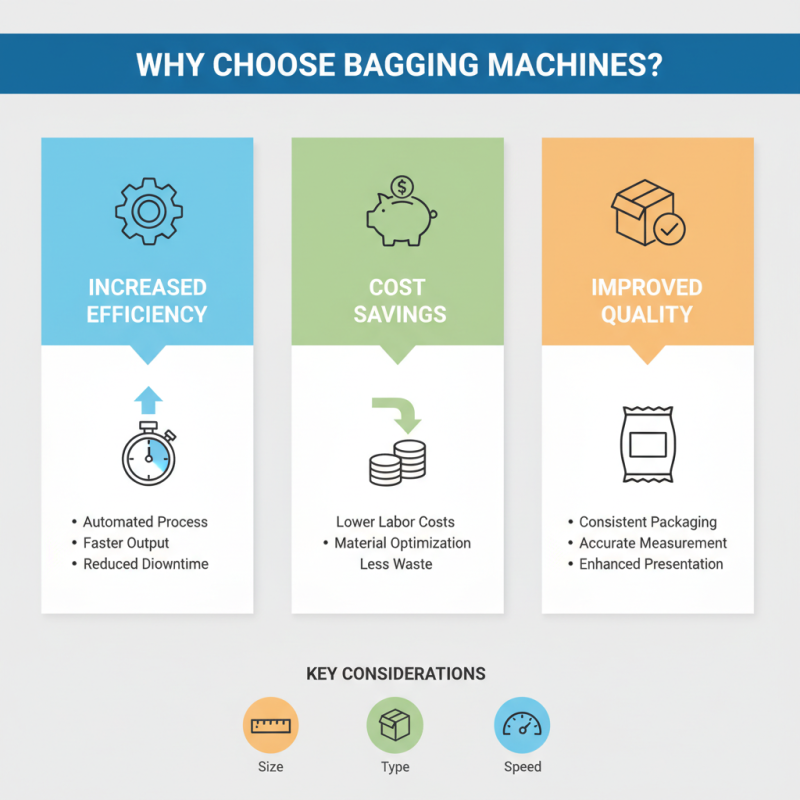
In today's competitive market, choosing the right packaging equipment is crucial. Bagging machines present a reliable solution for various industries. They enhance efficiency and reduce labor costs. Modern bagging machines offer advanced features that cater to diverse needs.
Understanding these machines can be overwhelming. The variety of options and functionalities often lead to confusion. However, investing in the right bagging machines can significantly improve your production line. They provide consistent packaging quality and speed, which are essential for maintaining market edge.
Before making a decision, it’s essential to assess your unique requirements. Consider the size, type, and speed of packaging required for your products. These factors influence the performance of bagging machines. Reflecting on these elements helps ensure you make the right investment that meets your business goals.
Advantages of Bagging Machines in Efficient Packaging Solutions
Bagging machines are vital for businesses aiming to enhance packaging efficiency. These machines streamline the process, ensuring speed and precision. According to a report by Market Research Future, the global bagging machine market is projected to grow by 5.5% annually, underscoring their increasing demand.
Investing in bagging machines can significantly reduce labor costs. With automation, companies can cut down on manual labor. This can lead to a better allocation of resources. Furthermore, these machines provide consistent packaging quality, which minimizes product damage. A USDA study highlighted that standardized packaging reduces spoilage rates by up to 30%.
Tips: Always assess your production volume before choosing a machine. This helps you avoid overspending on unnecessary features. Additionally, consider machines that allow for easy maintenance. Regular maintenance is crucial for optimal performance.
Despite these advantages, some businesses hesitate to adopt new technologies. They may fear the initial investment or lack knowledge about integration. However, not embracing automation can lead to missed opportunities. A missed chance to improve efficiency can stifle growth in a competitive market.
Advantages of Bagging Machines in Efficient Packaging Solutions
| Feature |
Description |
Benefits |
| Speed |
High-speed packaging capabilities |
Increased production rates |
| Versatility |
Compatible with various bag sizes and materials |
Flexibility in product types |
| Accuracy |
Precise filling and sealing mechanisms |
Reduced waste and product loss |
| Automation |
Integrated automation for streamlined operations |
Lower labor costs and improved efficiency |
| Durability |
Built to withstand heavy use |
Long-term investment and reliability |
| Space-saving |
Compact designs suitable for limited space |
Efficient use of floor space |
Key Statistics on Productivity Boost from Automated Bagging Systems
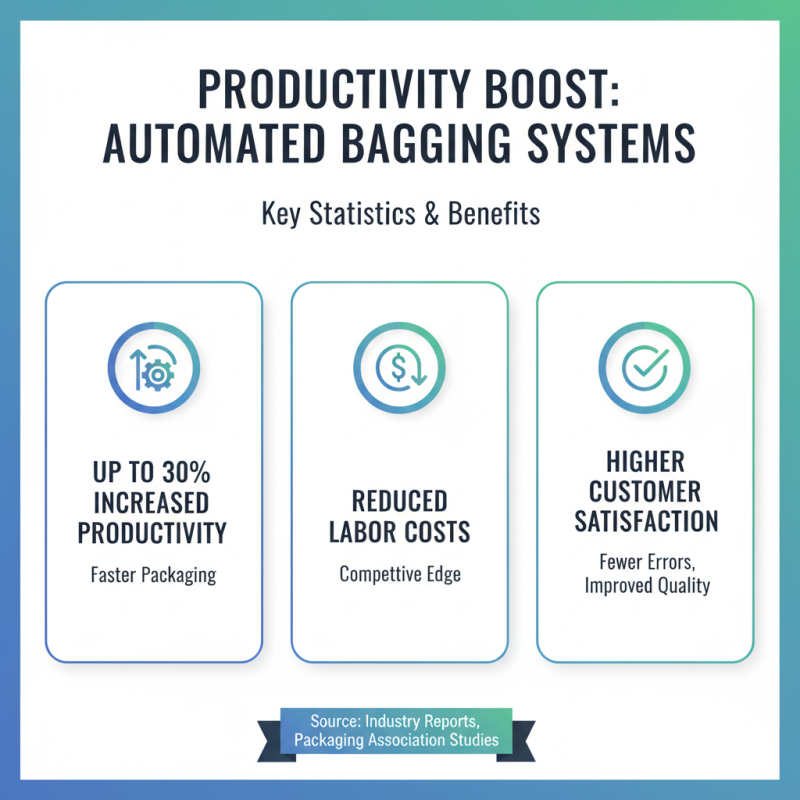
Automated bagging systems have revolutionized packaging processes in various industries. Recent studies indicate that businesses utilizing these machines can increase productivity by up to 30%. A report by a leading packaging association suggests that automation reduces labor costs significantly, giving companies a competitive edge. When manual labor is minimized, errors decrease. Fewer errors lead to higher customer satisfaction rates.
In sectors like food and consumer goods, the shift to automated bagging is especially impactful. The average time saved per bagging operation can reach 45 seconds when compared to manual methods. This translates into thousands of bags processed in a single day. Moreover, nearly 70% of companies report improved efficiency and faster turnaround times with automated systems. Investing in these technologies not only streamlines operations but also enhances the overall workflow.
Data shows that businesses can expect a return on investment within two years after implementing bagging machines. Yet, transitioning to automation isn't without challenges. Companies may face initial setup costs and the need for employee retraining. Some workers may even resist the change. However, those who embrace it often witness notable advancements in their operational performance. Engaging with skilled experts during the transition can help mitigate potential pitfalls and ensure a smoother process.
Cost-Effectiveness of Bagging Machines Compared to Manual Packaging
Bagging machines have become essential for many businesses, primarily due to their cost-effectiveness compared to manual packaging. Companies often face increased labor costs and human error when relying on manual processes. By investing in automated bagging solutions, you can reduce these costs over time. The initial investment may seem high, but the long-term savings are significant.
Consider the operational efficiency of bagging machines. They can package products faster and more consistently than human workers. This efficiency can lead to higher output rates. Also, fewer errors mean less waste and rework. However, it’s essential to choose the right machine for your specific needs. Not all bagging machines are the same, and the wrong choice may lead to frustration and inefficiencies.
Tips: Evaluate your production volume and type of products before purchasing a bagging machine. Proper maintenance is crucial; a well-maintained machine can serve your business for years. Train employees on the new equipment to maximize its potential. It’s important to regularly reassess your packaging processes and adapt as needed. This reflective approach ensures you stay efficient and cost-effective.
Impact of Bagging Machines on Reducing Material Waste in Packaging
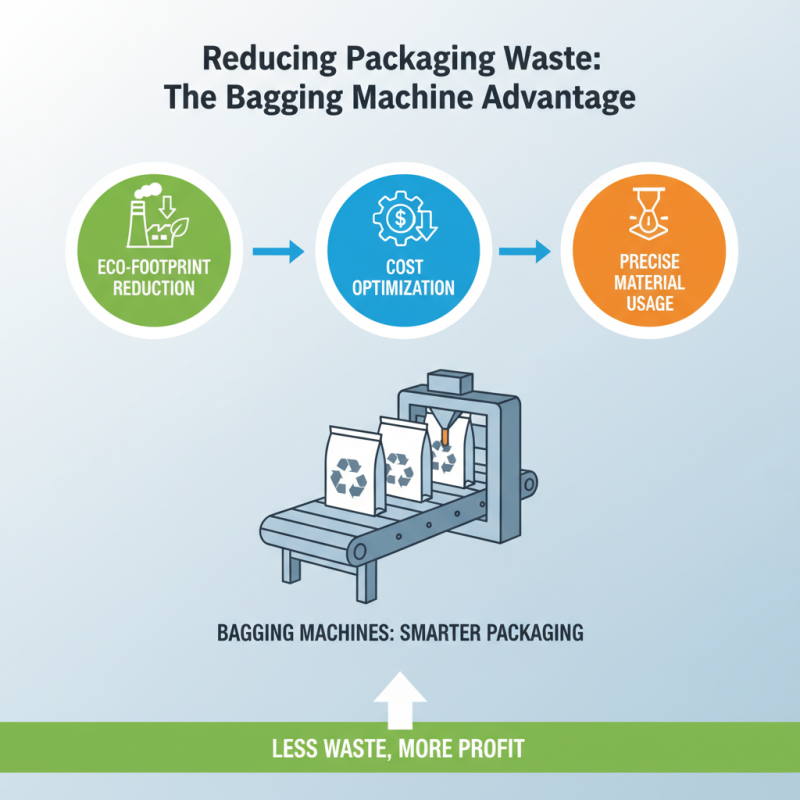
Bagging machines play a critical role in packaging processes. They significantly reduce material waste, which is a growing concern in today's industries. By using these machines, companies can ensure precise material usage. This helps lower their ecological footprint while optimizing costs.
Efficient bagging machines adjust the amount of packaging material required for each product. This precision minimizes leftover materials. Additionally, these machines can use various bag types, enhancing flexibility. With improved accuracy, businesses can avoid overfilling and underfilling issues, leading to smoother operations.
Tips for effective waste reduction:
- Regularly maintain equipment. Well-functioning machines lead to fewer errors.
- Train staff on optimal bagging techniques. Knowledgeable employees can enhance efficiency.
- Continuously assess material usage. Understanding patterns can enable better forecasting.
Bagging machines can be the key to a more sustainable packaging process. Their impact on material waste is evident. Adopting them is a step toward eco-friendly practices in the business landscape.
Industry Trends: Increasing Adoption of Bagging Machines Across Sectors
The trend of increasing adoption of bagging machines spans various industries, reflecting the growing need for efficiency and precision. Many businesses are seeking solutions that streamline their packaging processes. This includes food production, pharmaceuticals, and consumer goods. Bagging machines help reduce labor costs while enhancing speed and accuracy.
As companies strive for sustainability, bagging machines also offer eco-friendly options. They can utilize biodegradable materials, catering to environmentally-conscious consumers. However, the initial investment in these machines may be daunting for smaller businesses. Those companies might feel hesitant due to limited budgets or concern about operational complexities.
Despite these challenges, the advantages often outweigh the risks. As industries evolve, bagging machines support higher output levels. This trend indicates a significant shift towards automation. Yet, businesses must continuously evaluate their strategies. Understanding market demands and operational capabilities is essential for successful integration. Investing in the right technology could lead to long-term growth and efficiency.
Adoption of Bagging Machines Across Various Sectors (2023)