How to Choose the Best Automated Bagging Systems for Your Business?
Choosing the best automated bagging systems is crucial for improving operational efficiency. These systems streamline packaging processes, saving time and reducing manual labor. However, selecting the right one can be daunting.
Understanding your specific needs is essential. Automated bagging systems come with various features, such as adjustable bag sizes and integration capabilities. It's important to assess your production volume and the types of products you handle. A system that works well for one business may not suit another.
Researching different options enhances your decision-making. Look for systems with proven reliability and positive customer reviews. Also, consider the level of technical support and training offered. Investing time in this process can yield significant benefits, ensuring your choice aligns with your long-term goals.
Understanding Automated Bagging Systems and Their Benefits
Automated bagging systems have revolutionized many industries. These systems enhance efficiency and reduce labor costs. They come in various designs, each suited for specific applications. Understanding these systems is crucial for selecting the right one.
The benefits of automated bagging systems are clear. They improve consistency in packaging and reduce human error. Companies can achieve higher output and faster processing times. This is essential for meeting growing customer demands. Additionally, these systems often include advanced features like sensors for weight control, enhancing accuracy. However, not all systems fit every business. Evaluating your production scale and product types is essential to make an informed choice.
When considering an automated bagging system, take time to analyze your needs. Reflect on the volume of products and types of bags you use. Ensure that the chosen system can handle fluctuating demand. Automation can lead to significant gains but may require a learning curve for your team. Embracing new technology might also mean adjusting existing workflows. These considerations will help guide your decision.
How to Choose the Best Automated Bagging Systems for Your Business?
| Feature |
Description |
Advantages |
Considerations |
| Speed |
The rate at which bags are filled and sealed. |
Increased productivity and reduced labor costs. |
Ensure alignment with your production goals. |
| Flexibility |
Ability to handle different bag sizes and materials. |
Accommodates various product lines without needing multiple machines. |
Consider the maximum and minimum bag sizes you will need. |
| Integration |
Compatibility with existing production lines and equipment. |
Streamlines production process and reduces downtime. |
Ensure proper technical support for integration. |
| Maintenance |
Ease of daily and periodic maintenance tasks. |
Lower long-term operational costs. |
Evaluate the availability of spare parts and service. |
| Cost |
Initial investment and operational costs. |
Budget-friendly options may increase return on investment. |
Consider total cost of ownership over time. |
Identifying Your Business Needs and Bagging Requirements
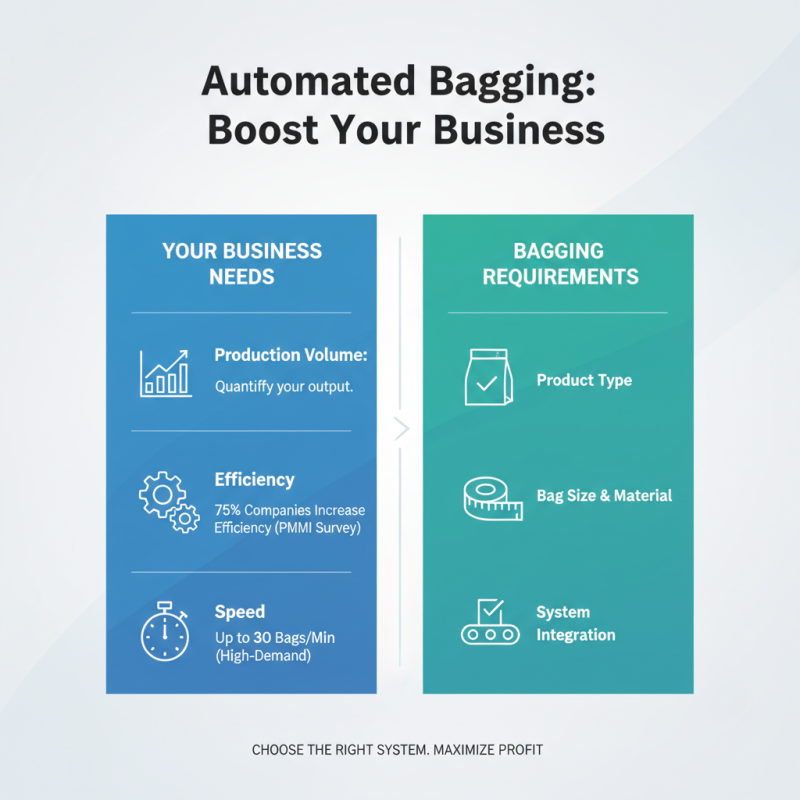
Choosing the right automated bagging system hinges on recognizing specific business needs and bagging requirements. Each business is unique. Quantifying your production volume is essential. A survey from the Packaging Machinery Manufacturers Institute (PMMI) indicated that 75% of companies see increased efficiency with automated systems. Identifying the speed at which you need to package products can significantly impact your decision. For example, if you handle high-demand products, a system capable of 30 bags per minute may be necessary.
Material types also play a crucial role. Your automated bagging system should accommodate various bag materials, whether plastic, paper, or biodegradable options. A study from Smithers Pira highlights that the eco-friendly packaging sector is expected to grow by 20% in the next five years. This trend means that companies must adapt their systems to cater to changing market preferences. Although many systems can handle these materials, not all do equally well, which may require further evaluation.
Another point to reflect on is scalability. Businesses often underestimate future growth. A flexible system can adjust as your requirements change. This adaptability is crucial, especially in fast-paced markets. An article by Allen Research emphasizes that companies experience a 25% increase in operational efficiency when systems are designed for scalability. Failure to account for this could result in costly inefficiencies later. Understanding these factors helps ensure you select the most appropriate automated bagging system for your specific operational needs.
Evaluating Key Features and Technologies of Bagging Machines
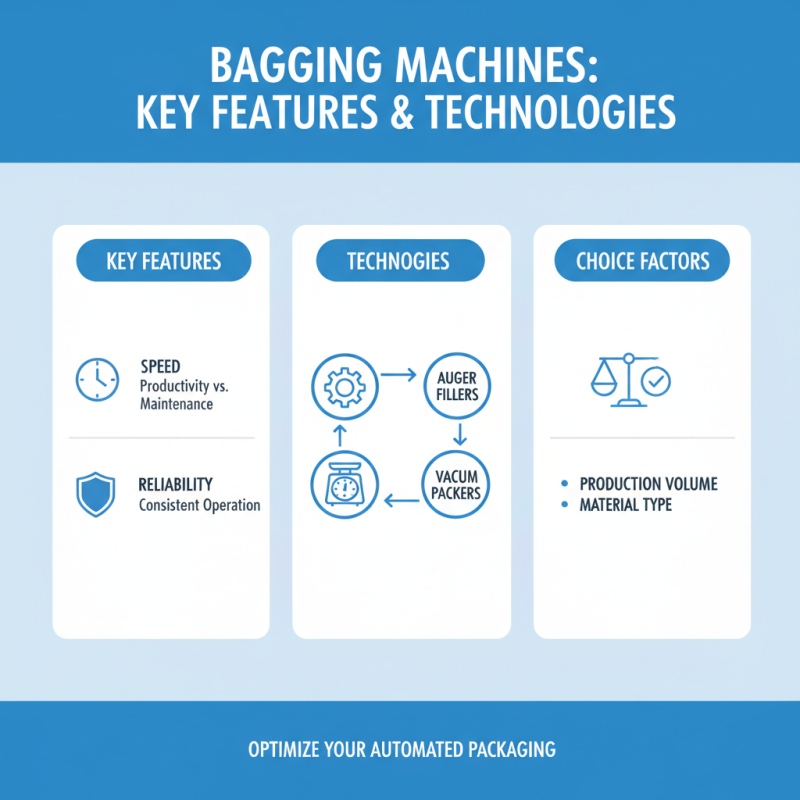
When choosing an automated bagging system, understanding key features is crucial. Various technologies are available, each with its strengths. For instance, consider the speed of the machine. A faster system can boost your productivity but may require more maintenance. The balance between speed and reliability needs careful thought.
Another essential feature is the bagging material compatibility. Some machines handle a wide range of materials, while others are more limited. Assess your products to ensure the chosen system fits your needs. Additionally, evaluate the ease of operation. A user-friendly interface can reduce training time for staff but may lack advanced settings.
Finally, don't overlook the importance of integration capabilities. The machine should easily connect with your existing systems. However, this might introduce challenges, such as compatibility issues. Regularly review your system’s performance to identify areas for improvement. A flexible approach can lead to better outcomes in the long run.
Considering Cost, Maintenance, and Scalability Factors
When selecting an automated bagging system, cost is a vital consideration. Initial investments may vary widely. It’s crucial to evaluate what features you truly need. High-end systems can offer sophisticated options, but they may not be necessary for all businesses. Some companies benefit from more basic models. This choice can significantly influence their budget.
Maintenance is another key factor. Routine upkeep can increase long-term costs. Research whether the system requires specialized training for staff. Frequent breakdowns can disrupt operations and create hidden expenses. Understanding the supplier’s support structure is also essential. Reliable assistance can save time and money during unexpected situations.
Scalability impacts future growth. An ideal bagging system should adapt seamlessly as your production needs evolve. Consider whether the equipment can handle increased volume without extensive upgrades. This flexibility helps maintain efficiency. Balancing cost, maintenance, and scalability can be challenging. Reassessing your specific needs and potential growth will guide you in making a well-informed choice.
Automated Bagging Systems Comparison
This chart illustrates the cost comparison of different automated bagging systems. System B is the most expensive, while System A is the least costly, providing a clear overview for businesses considering their options.
Assessing Vendor Support and Integration with Existing Operations
Choosing the right automated bagging system requires careful consideration of vendor support. Quality support can make a significant difference. Look for vendors that offer extensive training resources. A knowledgeable support team can quickly resolve issues, minimizing downtime. Ask potential vendors about their response times. Reliable support can enhance operational efficiency.
Integration with existing operations is also crucial. Systems that easily communicate with your current setup are essential. Evaluate if the vendor provides customizable solutions. Flexibility in integration can help accommodate unique workflows. Practice assessing compatibility with your current technology before making a commitment.
Tips: Test the system in a real environment. Conduct simulations to evaluate performance. Collect feedback from your team during trials. This hands-on approach can reveal any potential shortcomings, allowing you to make adjustments early on. A thorough assessment will ultimately lead to a more informed decision.