How to Choose the Best Bag Filling Equipment for Your Needs?
Selecting the right bag filling equipment is crucial for efficiency and productivity in packaging. The market offers a variety of machines tailored to different needs. Some are designed for small operations, while others serve large-scale manufacturers. Understanding your specific requirements is essential.
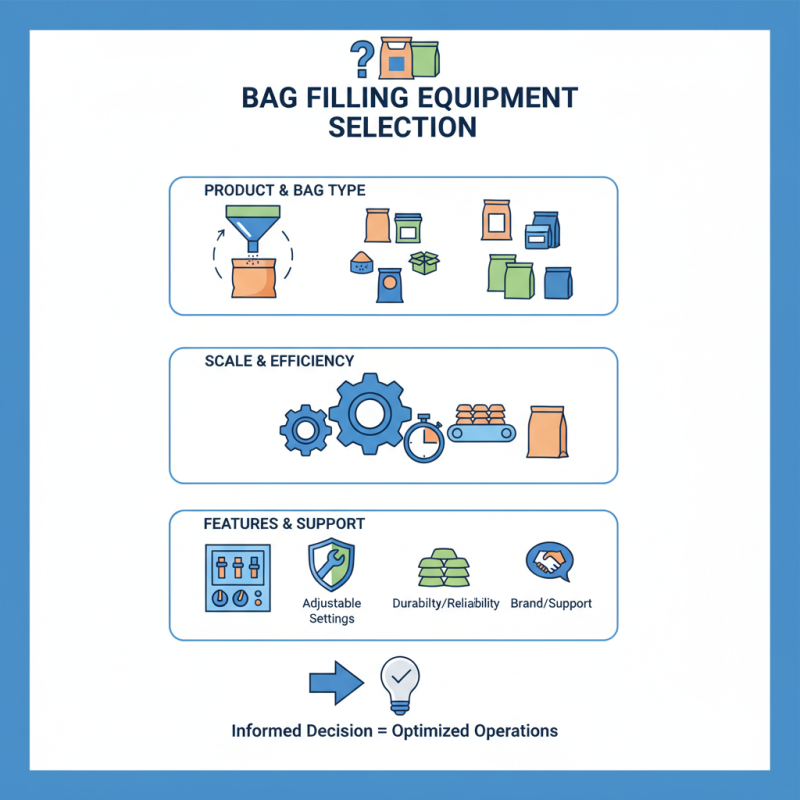
Consider the type of products you need to pack. Different materials and bag types can influence your choice. Durability and reliability should also be prioritized. Opting for quality equipment can significantly reduce maintenance costs in the long run. However, not all options are clear-cut; research may reveal unexpected challenges in operation or compatibility.
Taking the time to evaluate features is valuable. Look for equipment with adjustable settings, as this allows for versatility. Brand reputation and customer support can make a difference too. While it may seem daunting, gathering information will lead to informed decisions, resulting in optimized operations. Ultimately, the right bag filling equipment will enhance your productivity and product quality.
Understanding Different Types of Bag Filling Equipment Available
When choosing bag filling equipment, it's essential to understand the variations available. There are several types tailored to different needs and materials. Gravity fillers use weight to fill bags, making them ideal for dry products. These are simple and cost-effective, perfect for lightweight uses.
Volumetric fillers, however, measure by volume. They work well for products with a consistent density. This method can be less accurate but faster, making it suitable for high-speed environments. Alternatively, auger fillers excel in filling powders or granular materials. They deliver precision for small to medium-size bags, essential for industries like food and chemicals.
Consideration is key when selecting the right equipment. Each type has its benefits and limitations. Sometimes, businesses may hesitate to invest in more complex systems, fearing they won’t justify the cost. Reflecting on these nuances can lead to better decision-making for your specific packaging needs. Evaluating operations and potential growth is pivotal.
Bag Filling Equipment Types and Their Popularity
Evaluating Your Production Needs and Requirements
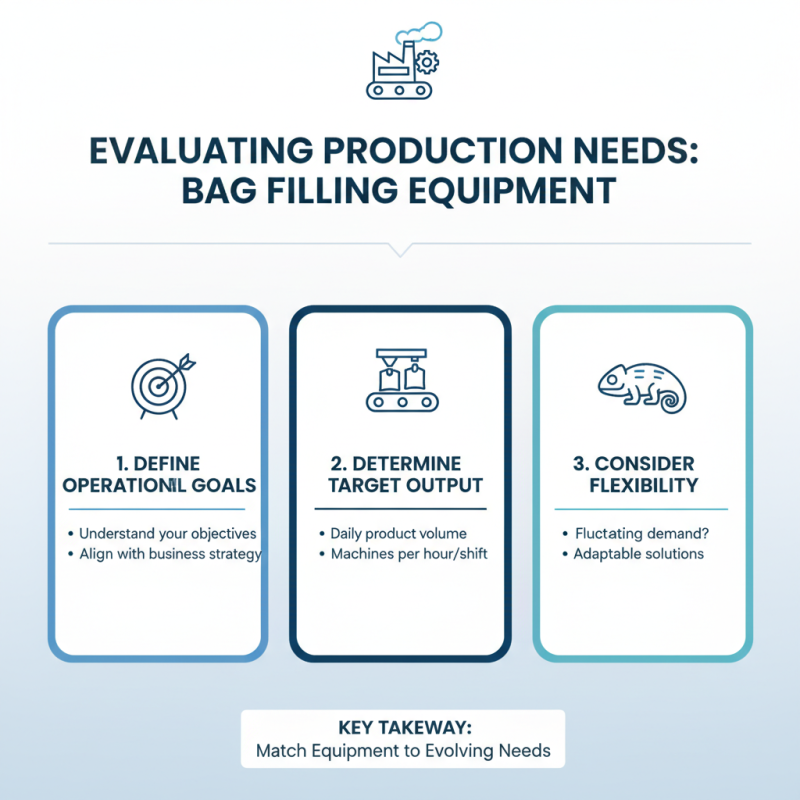
When evaluating your production needs for bag filling equipment, a deep understanding of your operational goals is essential. Consider the volume of products you aim to fill daily. Knowing your target output helps identify suitable machines. Different equipment handles various speeds and capacities. If your production fluctuates, choose adaptable solutions.
Analyze the types of materials you will fill. Some products may require gentle handling or specific bag types. Assessing the characteristics of your materials aids in selecting the right features. Consider the weight and flow properties of your products. This affects the filling method—gravity, auger, or pump may work best.
Budget constraints also play a significant role. Striking a balance between cost and efficiency is crucial. More expensive machines often offer advanced features but may not be necessary for all operations. It's common to face challenges when integrating new equipment into existing workflows. Taking time to assess both current and future needs can help you make better decisions. Reflecting on past experiences can lead to insightful choices, avoiding unnecessary pitfalls.
Key Features to Consider in Bag Filling Machinery
When choosing bag filling equipment, understanding key features is crucial. One primary aspect is the machine's speed and efficiency. According to the Packaging Machinery Manufacturers Institute, automated systems can improve filling speeds by up to 50%. This is vital for companies aiming to meet high production demands.
Accuracy in filling is another essential factor. A slight deviation can lead to product waste. Many advanced systems offer precision within 0.5% accuracy rates. This level of precision is crucial for maintaining product consistency and minimizing costs. Additionally, the choice of filling method—gravity, auger, or vacuum—depends on the specific product being handled.
Flexibility in bag sizes and materials is also important. A machine that accommodates various bag types can adapt to changing market needs. A report by MarketsandMarkets indicates that customizable machinery has seen a 30% increase in demand. It's important to reflect on the long-term viability of such options. Will your equipment still meet your needs in five years? This requires foresight and careful planning.
Assessing Budget Constraints and Cost-Effectiveness
When selecting bag filling equipment, budget constraints play a crucial role. Knowing your financial limits helps narrow down choices. It’s essential to consider the initial purchase price alongside long-term operating costs. Some machines may be cheaper upfront but could incur significant maintenance costs over time. Take a moment to analyze both scenarios.
Cost-effectiveness goes beyond just numbers. Evaluate the reliability of the equipment. A lower-cost machine may fail more often, leading to disruptions. Consider the total cost of ownership. Training, energy consumption, and replacement parts also matter. It's easy to overlook these factors when developing your budget.
Be realistic about your needs. Cheaper options might not meet your production goals. You might end up compromising on speed or accuracy. Connect with industry experts to understand what truly adds value. Their insights can guide you towards making a smart investment. Reflecting on your priorities can lead to a better choice for your business.
How to Choose the Best Bag Filling Equipment for Your Needs? - Assessing Budget Constraints and Cost-Effectiveness
| Equipment Type |
Initial Cost ($) |
Maintenance Cost/Year ($) |
Production Speed (Bags/Hour) |
Cost-Effectiveness Rating |
| Semi-Automatic Filler |
5,000 |
500 |
300 |
8/10 |
| Fully Automatic Filler |
15,000 |
800 |
900 |
9/10 |
| Manual Filler |
1,500 |
200 |
100 |
6/10 |
| Vacuum Filler |
10,000 |
600 |
400 |
7/10 |
Exploring Manufacturer Support and After-Sales Services
When choosing bag filling equipment, manufacturer support is a critical aspect. Reliable support ensures machine longevity and efficiency. The packaging industry notably reported that 80% of companies consider after-sales service crucial for maintaining operational success. A manufacturer that offers robust support can significantly influence production rates and overall satisfaction.
Consider the availability of technical assistance when selecting your equipment. Is training provided for your staff? What is the response time for service requests? A recent industry survey found that companies with strong manufacturer partnerships experience 30% less downtime. Investing in equipment is one thing; ensuring you have backup when needed is equally essential.
Here are a few tips to guide your choice. Look for manufacturers with extensive experience and positive reviews. Evaluate their warranty policies and maintenance options. Check if they offer customizable solutions that fit your specific needs. Remember, strong after-sales service is not just a feature; it's a necessity in today's fast-paced market. Choosing wisely leads to reduced costs and enhanced productivity over time.