How to Choose the Right Automated Packaging Solutions for Your Business
In today's fast-paced business environment, the need for efficiency and scalability in operations has never been more critical. One of the most impactful ways companies can streamline their processes is by adopting automated packaging solutions. Automated packaging not only reduces labor costs but also enhances precision and speed, leading to improved product quality and customer satisfaction. However, with a myriad of options available in the market, choosing the right automated packaging system can be a daunting task.
This guide aims to equip business owners and decision-makers with the essential insights needed to navigate the complexities of automated packaging. By understanding the specific needs of their operations, evaluating the various types of automated solutions, and considering factors such as budget and scalability, businesses can make informed choices that align with their growth strategies. Ultimately, the right automated packaging solution can transform packaging operations, leading to significant long-term benefits and a strong competitive edge in the market.
Identifying Your Packaging Needs and Business Goals
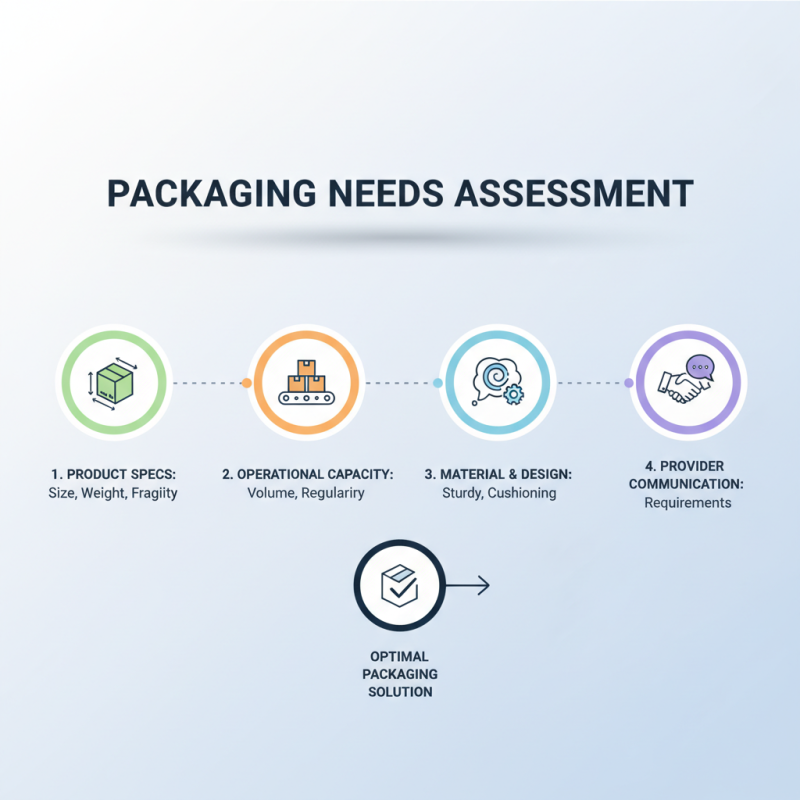
Determining your packaging needs begins with a thorough assessment of your product specifications and operational capacity. Consider the size, weight, and fragility of the items you intend to package. Additionally, evaluate the volume of products you need to package regularly. This analysis not only helps in selecting appropriate materials but also influences the design of the packaging solution. For instance, heavier items may require sturdier packaging, whereas fragile products might benefit from cushioning mechanisms. Understanding these characteristics enables you to communicate your requirements effectively to potential packaging solution providers.
Aligning your packaging goals with your business objectives is equally crucial. Consider how your packaging solutions can enhance your brand identity, reduce costs, or improve your supply chain efficiency. For example, if sustainability is a core value for your brand, exploring eco-friendly materials and processes can be a priority. Additionally, think about the scalability of your packaging solutions. As your business grows, your packaging needs may evolve, so choosing a flexible system that can adapt to changes in production volume or product lines is vital. By clearly defining these needs and goals, you set a solid foundation for selecting automated packaging solutions that will support your business's success.
Evaluating Different Types of Automated Packaging Solutions
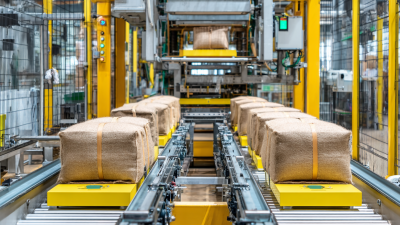
When evaluating different types of automated packaging solutions, it's essential to first consider the specific needs of your business. Factors such as the type of product, production volume, and space constraints play crucial roles in determining the right fit. For instance, companies dealing with fragile items may benefit from automated solutions that feature cushioning and protective packaging systems, while businesses with high-volume output might prioritize speed and efficiency through high-speed filling and sealing machines.
Another important aspect to assess is the versatility of the packaging solution. A system that can accommodate various packaging formats—such as bags, boxes, or pouches—can provide greater flexibility as your product line evolves. Additionally, consider the integration capabilities of the automated solution with your existing production line. Seamless integration minimizes disruptions and maximizes productivity, ensuring that the transition to automation bolsters your overall efficiency rather than complicating established workflows.
Assessing the Cost and ROI of Packaging Automation
When considering packaging automation, assessing the cost and return on investment (ROI) is crucial for making informed decisions. A recent report from the Association for Packaging and Processing Technologies indicates that companies can achieve significant savings through automation. On average, businesses can reduce labor costs by up to 30% and increase throughput by approximately 50%, leading to quicker turnaround times and greater efficiency. Moreover, companies that invest in automated packaging solutions often see a payback period of less than two years, making these solutions financially appealing in a competitive market.
In addition to direct labor savings, automated packaging systems can also minimize material waste, which is increasingly important as sustainability becomes a priority for many businesses. According to a study by the Packaging Automation Company, organizations that implement automated systems can reduce material wastage by up to 15%. This reduction not only lowers operational costs but also enhances a company's environmental footprint, aligning with consumer trends favoring sustainable practices. By thoroughly evaluating these factors, businesses can make strategic investments in packaging automation that yield substantial economic and ecological benefits.
Understanding Maintenance and Support for Packaging Systems
When selecting automated packaging solutions for your business, understanding the maintenance and support for these systems is critical to ensuring long-term efficiency and performance. According to a recent report by the Packaging Machinery Manufacturers Institute, approximately 70% of packaging machinery downtime is attributed to mechanical failures and inadequate maintenance practices. Implementing a proactive maintenance strategy can significantly reduce these downtimes, enhancing not just productivity but also the overall return on investment.
Effective maintenance programs often include regular inspections, timely replacements of worn parts, and adherence to manufacturer guidelines. A Deloitte study highlights that companies utilizing predictive maintenance practices can experience a reduction in maintenance costs by as much as 30% while extending the life of their equipment by 20%. Furthermore, having a strong support system in place, whether through in-house teams or external partnerships, ensures that any unforeseen issues can be quickly addressed, minimizing disruption to production lines. Coupled with proper training for operators and maintenance staff, a robust support structure is crucial for optimizing the performance of automated packaging systems.
Making the Final Decision: Factors to Consider for Implementation
When selecting the right automated packaging solutions, businesses must consider several key factors to ensure a successful implementation. One of the primary considerations is scalability. According to a 2021 report by Smithers Pira, the global market for automated packaging is projected to reach $34 billion by 2027, indicating a growing demand for scalable solutions that can adapt to varying production rates.
Companies should assess their current and future production needs to choose a packaging system that can accommodate growth without requiring frequent, costly upgrades.
Another critical factor is the integration of technology. Automated packaging solutions often involve advanced technologies such as robotics and artificial intelligence, which can significantly enhance efficiency and precision. A study by the Packaging Machinery Manufacturers Institute (PMMI) found that companies that implement automation report a 20-30% increase in productivity.
Businesses should evaluate their existing workflows and consider how an automated system can integrate seamlessly while providing data collection capabilities for ongoing performance optimization. By prioritizing these factors, companies can make informed decisions that align with their operational goals and facilitate a smoother transition to automated packaging systems.