Top 10 Trends Shaping the Future of the Packaging Industry in 2023
The packaging industry is undergoing a transformative period, driven by evolving consumer preferences, technological advancements, and increasing environmental concerns. According to a recent report by Smithers, the global packaging market is projected to reach USD 1 trillion by 2024, indicating a robust growth trajectory. This surge is propelled by the demand for sustainable packaging solutions, which now accounts for approximately 36% of the market, as consumers are increasingly favoring brands that prioritize eco-friendly materials and practices.
In 2023, several key trends are emerging that will shape the future of the packaging industry. Innovations in smart packaging, for instance, are enhancing user experience and supply chain efficiency, with the market for smart packaging expected to expand at a CAGR of 8% over the next five years, according to Mordor Intelligence. As businesses adapt to these trends, understanding the dynamics of consumer behavior and regulatory changes will be crucial for success in an ever-competitive landscape. This report outlines the top 10 trends that are set to redefine how products are packaged and delivered, highlighting the importance of adaptability and sustainability in the future of the packaging industry.

Emergence of Sustainable Packaging Solutions in 2023
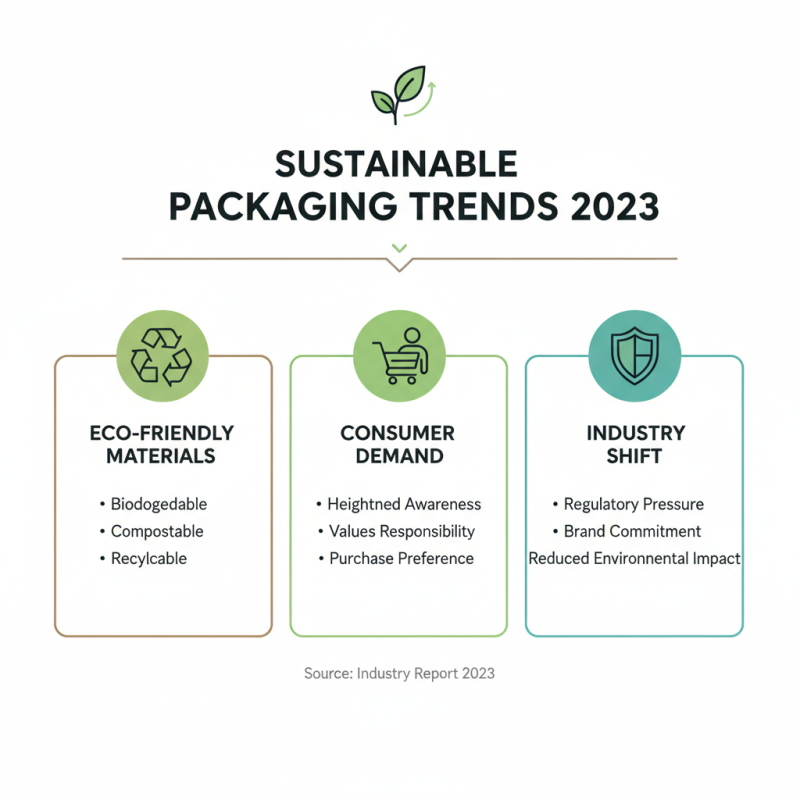
In 2023, the advent of sustainable packaging solutions has become a significant trend within the packaging industry, driven by heightened consumer awareness and regulatory pressures. As environmental concerns continue to escalate, brands are increasingly prioritizing eco-friendly materials and production processes. The shift towards biodegradable, compostable, and recyclable packaging options reflects a commitment not only to sustainability but also to meeting the growing demands of conscientious consumers who value environmental responsibility in their purchasing decisions.
Furthermore, innovation in design and materials is leading to the development of packaging that minimizes waste while maximizing functionality. Advanced technologies such as smart packaging solutions are being integrated, allowing for improved tracking and reduced resource usage throughout the supply chain. As companies explore alternative raw materials derived from plant-based sources or recycled content, the focus on reducing the carbon footprint associated with packaging production is becoming more pronounced. This transition not only aims to reduce environmental impact but also fosters a circular economy where materials can be reused or repurposed, ultimately paving the way for a more sustainable future in the packaging industry.
Advancements in Smart Packaging Technologies
The rise of smart packaging technologies is transforming the packaging industry in 2023, driving innovations that enhance product safety, extend shelf life, and improve consumer engagement. These advancements leverage a combination of sensors, RFID tags, and Internet of Things (IoT) connectivity, allowing for real-time monitoring of products throughout the supply chain. For example, temperature and humidity sensors can now be integrated into packaging, ensuring that perishable goods are maintained under optimal conditions from production to consumption. This not only helps reduce food waste but also guarantees that consumers receive products that are safe and fresh.
Moreover, smart packaging is enhancing the consumer experience by providing interactive features. QR codes and augmented reality elements embedded in packaging enable brands to deliver personalized content and promotions directly to consumers. Such innovations allow users to easily access product information, track their purchases, and even engage with digital experiences that enrich their brand interaction. As consumers become more tech-savvy, these smart packaging solutions are increasingly appealing and can significantly influence purchasing decisions, effectively bridging the gap between physical products and digital engagement. This trend indicates a pressing need for packaging manufacturers to embrace new technologies in order to stay relevant and meet evolving consumer expectations.
Top 10 Trends Shaping the Future of the Packaging Industry in 2023 - Advancements in Smart Packaging Technologies
| Trend |
Description |
Impact |
| Sustainable Materials |
Increasing use of biodegradable and recyclable materials. |
Reduced environmental impact and increased consumer appeal. |
| Smart Labels |
Integration of QR codes and NFC technology for enhanced product information. |
Improved consumer engagement and traceability. |
| Active Packaging |
Packaging that can interact with the product to extend shelf life. |
Enhanced product freshness and safety. |
| Automation in Packaging |
Use of robotics and AI in the packaging process. |
Increased efficiency and reduced labor costs. |
| Customization |
Personalized packaging designs to cater to consumers. |
Higher customer satisfaction and brand loyalty. |
| Augmented Reality |
Interactive packaging that enhances user experience using AR. |
Engagement and innovative product marketing. |
| Supply Chain Transparency |
Improved tracking and visibility in the packaging supply chain. |
Trust building and efficient inventory management. |
| Minimalist Packaging |
Simpler, less wasteful packaging designs. |
Cost savings and appeal to eco-conscious consumers. |
| E-commerce Innovations |
Packaging solutions tailored for online retail experiences. |
Enhanced delivery safety and user satisfaction. |
| 3D Printing |
Utilizing 3D printing technology for customized packaging solutions. |
Flexibility in design and reduced production time. |
The Role of E-Commerce in Shaping Packaging Design
The rise of e-commerce has dramatically reshaped the packaging design landscape, driving brands to adopt innovative solutions that cater to the growing demands of online shopping consumers. According to a report by Smithers Pira, the global e-commerce packaging market is projected to reach $400 billion by 2026, reflecting an annual growth rate of approximately 14%. This surge has compelled manufacturers to rethink how they design packaging to ensure it not only protects products during transit but also elevates the unboxing experience for customers.
Modern consumers are increasingly valuing sustainability alongside functionality, prompting businesses to incorporate eco-friendly materials and minimalistic packaging designs. Research from the Boston Consulting Group indicates that nearly 70% of consumers are willing to pay a premium for sustainable packaging options. Therefore, companies are investing in biodegradable materials and reusable packaging solutions to cater to environmentally conscious shoppers. The shift towards sustainable packaging in the e-commerce sector highlights the broader trend of integrating ecological considerations into packaging strategies, making it a crucial factor for brand loyalty and market competitiveness.
Consumer Preferences Driving Innovations in Packaging
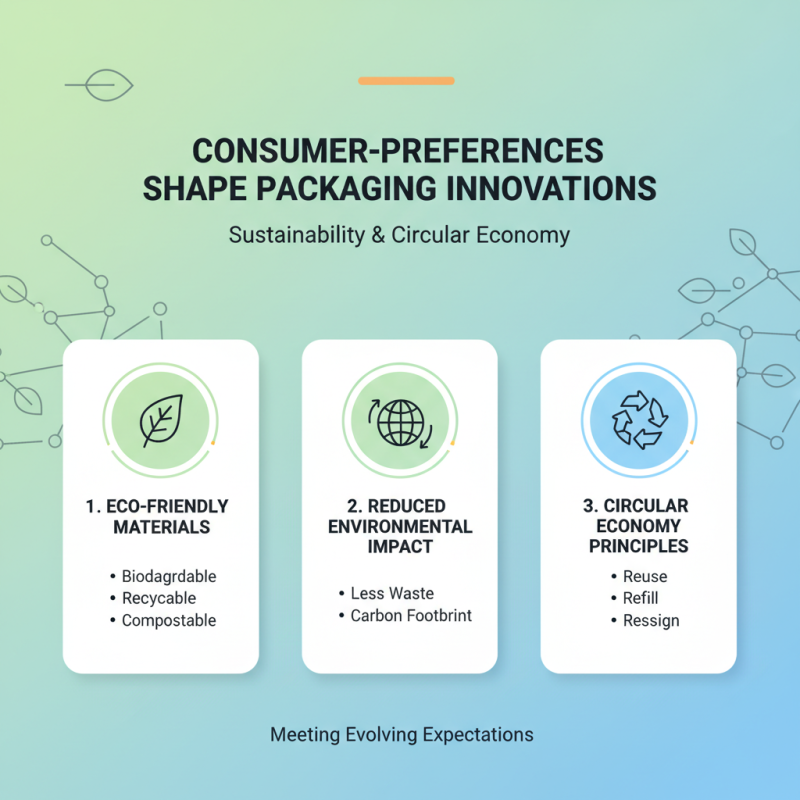
Consumer preferences are at the forefront of innovations in the packaging industry, driving significant changes as brands strive to meet evolving expectations. Today’s consumers emphasize sustainability, demanding eco-friendly materials and practices across all product categories. This shift is evident as companies increasingly adopt biodegradable, recyclable, and compostable packaging solutions that minimize environmental impact. As consumers become more environmentally conscious, the packaging industry is responding by implementing circular economy principles, ensuring that products are designed with reuse and recyclability in mind.
In addition to sustainability, consumer preferences are influencing the aesthetics and functionality of packaging. The rise of e-commerce has led to an increased demand for packaging that not only protects products during transit but also enhances the unboxing experience. Brands are focusing on creating visually appealing designs that resonate with consumers' values, fostering a deeper emotional connection. Furthermore, personalization is becoming a key trend, with brands exploring customizable packaging options to cater to individual preferences and enhance consumer engagement. This combination of sustainability, aesthetics, and functionality is propelling innovations in packaging, ultimately reshaping the industry landscape as it aligns more closely with consumer desires.
Regulatory Changes Affecting Packaging Materials and Practices
In 2023, regulatory changes are significantly influencing the packaging industry, compelling companies to adapt their materials and practices to meet new environmental and health standards. For instance, according to the Global Packaging Trends report by Smithers Pira, nearly 60% of manufacturers are now prioritizing sustainability in packaging designs due to increasing consumer demand and stricter regulations aimed at reducing plastic waste. Governments are implementing policies that encourage the use of recyclable materials, and as a result, innovative alternatives such as biodegradable and compostable packaging are gaining traction in the market.
To navigate these regulatory changes effectively, companies should stay informed about local and international laws regarding packaging materials. Regularly reviewing updates from organizations like the Environmental Protection Agency or the European Environment Agency can provide insights into emerging regulations. Moreover, investing in research and development can help businesses find compliant and sustainable packaging solutions that not only meet regulatory requirements but also appeal to environmentally conscious consumers.
Tip: Conduct a packaging audit to identify areas where your materials may fall short of regulatory standards and seek sustainable alternatives that align with current trends. Additionally, consider collaborating with suppliers who prioritize compliance and sustainability to stay ahead of the curve in this evolving landscape. Staying proactive can provide both a competitive advantage and ensure adherence to upcoming regulations.
Top 10 Trends in the Packaging Industry for 2023