What is Offset Printing Inspection and How to Ensure Quality?
In the realm of printing, ensuring quality is paramount. Offset Printing Inspection plays a critical role in this process. It helps identify and rectify any discrepancies before the final product reaches consumers. According to Mike Johnson, a leading expert in the offset printing industry, "Effective inspection can save time and costs, while enhancing customer satisfaction." His insight highlights the importance of rigorous oversight.
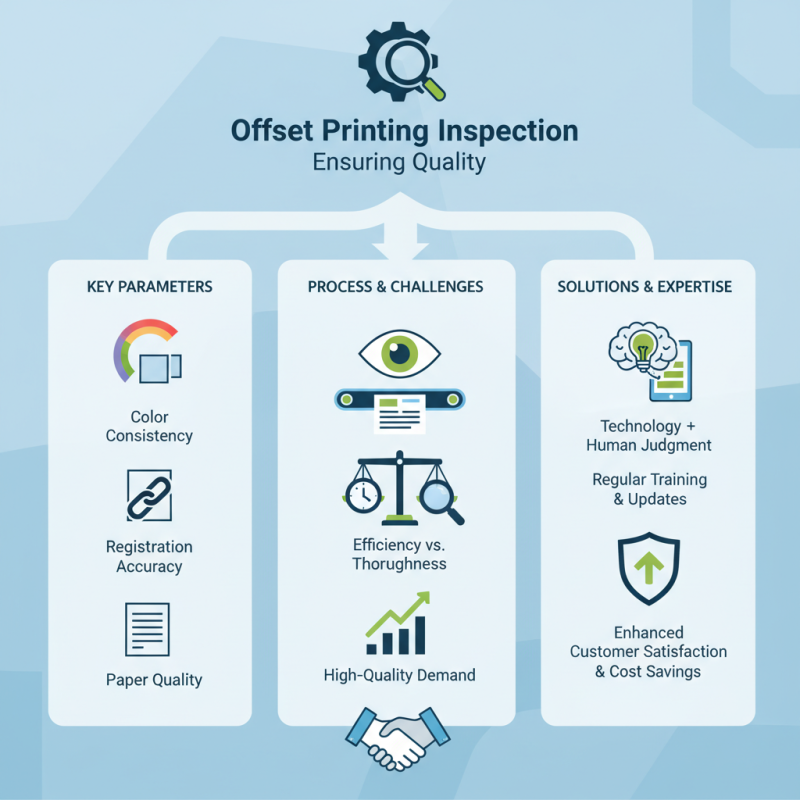
Offset Printing Inspection involves meticulous evaluation of various parameters. Color consistency, registration accuracy, and paper quality are just a few aspects to monitor. Even with advanced technology, human expertise remains essential. The challenge lies in balancing efficiency with thoroughness. Many printing companies face this dilemma. They prioritize speed but often overlook vital inspection steps.
Furthermore, the increasing demand for high-quality printed materials adds pressure to maintain standards. Some firms may rush their inspection protocols. This can lead to unintended errors that compromise quality. Regular training and updates on inspection techniques are crucial. They enable staff to stay informed and improve processes. Emphasizing both technology and human judgment can elevate the industry’s overall quality.
What is Offset Printing Inspection?
Offset printing inspection is a critical process that ensures the quality of printed materials. This type of printing is widely used in the industry for its efficiency and ability to produce high-quality images. Inspections typically assess color accuracy, alignment, and overall print quality. Detecting imperfections early can save time and costs.
Regular checks on color consistency are vital. A small shift in color can impact the final product. Inspectors should employ spectrophotometers for precise measurements. Additionally, keeping prints under controlled lighting can reveal discrepancies that may go unnoticed in typical lighting conditions.
Tips: Always compare printed samples to established color standards. Use the same tools for consistency. Regular training for inspectors improves their skills and awareness of quality benchmarks. This attention to detail can be the difference between a good and great printed product. Taking time to reflect on inspection techniques can lead to significant quality improvements in offset printing.
The Importance of Quality Control in Offset Printing
Quality control in offset printing is crucial for ensuring that printed materials meet expected standards. It involves monitoring various aspects of the printing process. This includes ink consistency, color accuracy, and paper quality. Each of these factors significantly affects the final product's appearance and functionality.
In offset printing, achieving the perfect color can be challenging. Color calibration is vital. Even a small deviation can lead to a mismatch that might not be noticed immediately. Inspecting printed samples under various lighting conditions helps reveal these issues. Regular checks throughout the printing run can capture these problems before they escalate.
Setting up an effective quality control system requires training and experience. Staff must understand the nuances of the offset printing process. They should be equipped to identify potential issues and make adjustments. However, it’s easy to overlook minor defects during busy production periods. Continuous awareness and self-reflection in the inspection process can enhance overall quality. Even with advanced technology, human oversight remains essential in achieving high standards.
Offset Printing Quality Control Metrics
This bar chart illustrates key quality control metrics in offset printing. Color accuracy, ink coverage, registration, print density, and paper quality are essential dimensions evaluated to ensure high-quality output during the printing process.
Key Elements of Offset Printing Inspection Processes
Offset printing inspection is crucial for maintaining high-quality output in the printing industry. Several elements significantly influence the inspection process. First, the pre-press stage must ensure that the artwork files are correctly prepared. Color settings, resolution, and formatting should be scrutinized. Any oversight here can lead to major issues during printing.
During the printing process, continuous monitoring is essential. Operators should check color consistency and registration regularly. This helps catch any deviations in real-time, which can be corrected immediately. It is not uncommon for ink density to vary, so having a color consistency checklist can be helpful.
**Tips:** Always use color calibration tools. They can provide accurate readings and help maintain desired color standards. Additionally, encourage feedback from the team. It fosters a culture of quality and can highlight potential flaws missed during routine checks. Remember, even small errors can escalate into significant problems if ignored. Regular training sessions can also keep the team updated on best practices in offset printing.
What is Offset Printing Inspection and How to Ensure Quality? - Key Elements of Offset Printing Inspection Processes
| Inspection Element | Description | Importance | Frequency |
| Color Consistency | Ensures that the colors match the desired specifications throughout the print run. | Crucial for brand identity and consumer perception. | Every 100 copies |
| Registration | Checks if all colors align correctly during the printing process. | Important to avoid misalignment and blurred images. | At the start of each run |
| Paper Quality | Evaluates the paper's weight, texture, and finish before printing. | Affects overall print quality and durability. | Before each job |
| Ink Viscosity | Monitors ink thickness to ensure proper flow and drying. | Critical for print quality and machine efficiency. | Hourly |
| Final Inspection | Final check of printed materials for any defects or irregularities. | Ensures customer satisfaction and product integrity. | Post-production |
Common Challenges in Offset Printing Quality Assurance
Offset printing is a widely used method, yet ensuring consistent quality can be challenging. Common issues include color variations, registration misalignment, and substrate differences. A study from the Printing Industries of America indicates that up to 30% of print jobs face quality-related issues that could have been avoided with better oversight.
One significant challenge is color consistency. When plates wear down, color reproduction can drift, leading to undesirable outcomes. Regular calibration and utilization of spectrophotometers can assist in maintaining color accuracy. It's essential to implement a color management system and adhere to industry standards like ISO 12647 to prevent deviations.
Another frequent issue is registration problems, where colors do not align properly. This can occur due to mechanical wear or operator error. Ensuring machinery is regularly serviced can minimize these risks. Operators should also be trained to recognize early signs of registration errors.
Tips for successful offset printing quality assurance:
- Conduct regular machine maintenance.
- Keep an eye on color trends; adjust quickly.
- Utilize quality control checkpoints throughout the printing process.
Effective communication with staff and between departments can also reveal potential issues before they escalate into larger problems. Regular audits of print quality can guide print houses in adapting their processes for improvements.
Best Practices to Ensure Quality in Offset Printing
Ensuring quality in offset printing requires meticulous attention to detail. Each print job should start with careful prepress preparation. This involves closely examining proofs before production. Consistent color matching is crucial. Use a color management system to stay accurate. Even slight variations can disrupt the final product.
Regular equipment maintenance is another critical practice. Machines should be cleaned routinely to prevent ink build-up. A well-maintained press operates more efficiently. Operators must regularly calibrate the equipment as well. This minimizes errors and enhances the overall output.
Quality inspection during and after printing cannot be overlooked. Simple tests, like checking for color consistency and alignment, are essential. However, human error can still creep in. Train your staff to recognize common issues. Continuous education helps in becoming more proficient. Embracing feedback is vital. It allows for improvements in future projects. Neglecting these practices can lead to unsatisfactory results.