NEED HELP FAST? We have over 40 years' experience with Bulk Material Handling, Packaging, and Processing. (979) 217-1480 GET A QUOTE
NEED HELP FAST? (979) 217-1480 GET A QUOTE

China Top 10 Bag Filling Machine Manufacturers?
China Top 10 Bag Filling Machine Manufacturers? This question deserves more than a supplier list. It requires evidence, factory experience, and careful comparison.
The global packaging machinery market continues to expand. Grand View Research estimated its value at approximately USD 45 billion in 2023. Its report also projects steady growth through 2030, supported by automation, e-commerce, and food production. PMMI’s 2024 industry research highlights labor shortages, equipment flexibility, and digital connectivity as major purchasing concerns. These pressures directly influence modern bag filling machines. Buyers now inspect dosing accuracy, changeover time, dust control, sealing quality, and after-sales support. A shiny machine is not enough.
Jorge Izquierdo, Vice President of Market Development at PMMI, has described the sector’s direction this way: “Automation is increasingly becoming a necessity, not a luxury.” That observation fits many Chinese manufacturers. Their strengths often include competitive pricing, customization, export experience, and shorter equipment lead times. Yet quality varies between factories. Some publish impressive specifications but provide limited performance data. That weakness deserves attention.
This guide will examine ten leading China-based manufacturers through practical criteria. These include filling accuracy, bag formats, control systems, testing procedures, certifications, installation support, and customer references. It will also compare machines used for powders, granules, liquids, and premixed products. Real factory details matter. A five-second changeover sounds attractive, but only when verified under production conditions. Market reports provide useful direction, not final judgment. Supplier claims still require independent checking.
What Is a Bag Filling Machine and How Does It Work?
What Is a Bag Filling Machine and How Does It Work?
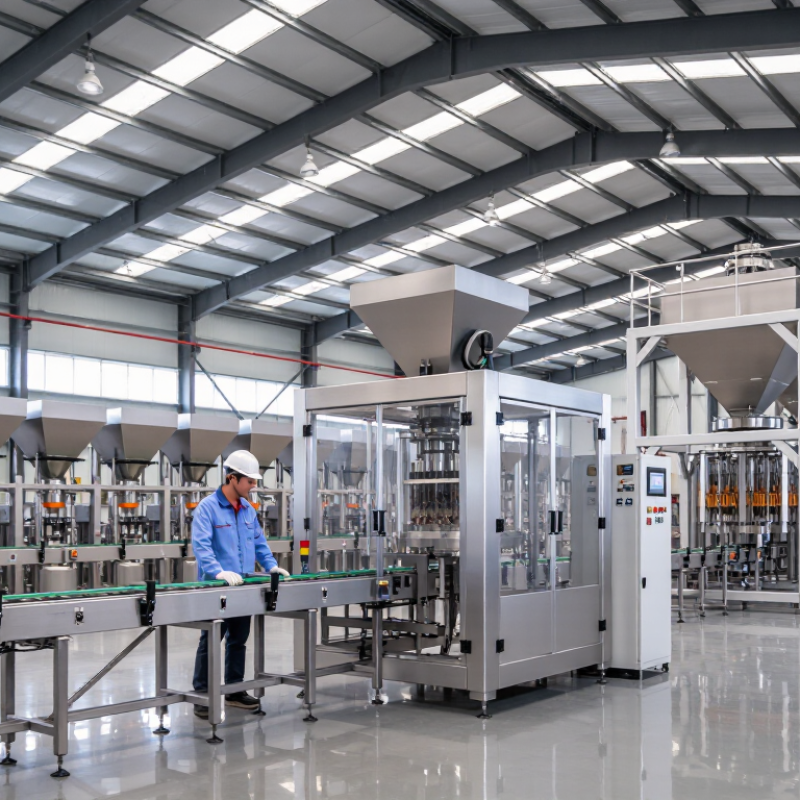
A bag filling machine measures and dispenses products into pre-made or continuous bags. It may handle grains, powders, liquids, or small pieces. The process usually includes bag feeding, opening, filling, weighing, sealing, and discharge. Load cells check the target weight during filling. Sensors confirm bag position and detect sealing faults. For powder, an auger controls volume. For granules, a gravity or vibration system often works better.
The equipment supports consistent packing and reduces manual handling. According to FAO’s The State of Food and Agriculture 2019, about 14% of food is lost between harvest and retail. Accurate filling and reliable sealing can help reduce avoidable losses. PMMI industry reports also identify labor shortages and automation as continuing packaging concerns. However, performance depends on material behavior. Dust, moisture, static, and uneven particle size can disrupt accuracy. A clean factory test may look perfect. Real production is less forgiving.
Tips: Test the actual product before purchase. Check weighing accuracy, changeover time, dust control, and seal strength. Ask for records from similar applications, not only laboratory results. Operators should inspect sensors and sealing jaws every shift. A practical detail matters: keep bags dry and aligned. Small errors become expensive quickly. I would also question any advertised speed without its stated product, bag size, and accuracy range.
China Top 10 Bag Filling Machine Manufacturers? - What Is a Bag Filling Machine and How Does It Work?
| No. | Machine Configuration | Typical Filling Principle | Common Product Types | Typical Bag Format | Typical Filling Range | Typical Capacity Range | Typical Accuracy | How It Works | Best-Fit Applications |
|---|---|---|---|---|---|---|---|---|---|
| 01 | Net-Weigh Open-Mouth Filler | Weighing hopper | Rice Grain Pellets | Pre-made open-mouth bags | 5–50 kg | 8–20 bags/min | Typically ±0.1% to ±0.5%, depending on product | The product is first weighed in a hopper and then released into a clamped bag. The filled bag is subsequently sewn, heat-sealed, or transported for closing. | Medium- and large-size bags requiring controlled weight |
| 02 | Gross-Weigh Bag Filler | Weighing directly inside the bag | Animal Feed Fertilizer Minerals | Open-mouth bags | 10–50 kg | 5–15 bags/min | Typically ±0.2% to ±0.5% | The empty bag is positioned on a weighing platform. Product enters the bag until the target weight is reached, after which the bag is released for sealing or stitching. | Dusty or free-flowing products in heavy bags |
| 03 | Auger Powder Filler | Controlled screw displacement | Flour Starch Spices Detergent | Premade pouches or roll-stock bags | 10 g–5 kg | 15–60 fills/min | Typically ±1% to ±2%, depending on powder characteristics | A rotating auger meters a predetermined volume of powder into the bag. Agitation and dust extraction may be added to improve flow and cleanliness. | Fine, powdered, cohesive, or dusty products |
| 04 | Volumetric Cup Filler | Adjustable-volume measurement | Seeds Beans Snacks Granules | Small pouches or pillow bags | 10–2,000 g | 20–80 fills/min | Usually ±1% to ±3%, product dependent | Adjustable cups collect a fixed volume of product and discharge it into the bag. Weight consistency depends on bulk density and product uniformity. | High-speed packaging of uniform free-flowing products |
| 05 | Multihead Weigher Filler | Combination weighing | Confectionery Frozen Food Chips Hardware | Premade pouches or vertical form-fill-seal bags | 10 g–5 kg | 30–120 weighments/min | Commonly ±0.5% to ±1%, depending on product and target weight | Several weighing heads collect portions simultaneously. The control system selects the combination closest to the target weight before releasing the product into the bag. | Fast, accurate weighing of irregular or mixed products |
| 06 | Valve-Bag Filler | Air-assisted or impeller filling | Cement Lime Chemical Powder Flour | Paper, woven polypropylene, or laminated valve bags | 10–50 kg | 4–12 bags/min per spout | Typically ±0.2% to ±0.5% | A filling spout enters the valve opening. Air or mechanical conveying fluidizes and transfers powder into the bag, which is then automatically removed and sealed by the bag design. | Dust-controlled industrial powder packaging |
| 07 | Form-Fill-Seal Granule Machine | Film forming, dosing, and heat sealing | Sugar Salt Rice Pet Food | Heat-sealed bags made from roll film | 20 g–5 kg | 20–70 bags/min | Typically ±0.5% to ±1.5% | The machine forms a tube from flexible film, creates a bottom seal, doses the product, forms the top seal, and cuts the package into individual bags. | Continuous packaging lines with standardized bag sizes |
| 08 | Premade Pouch Filling and Sealing Machine | Bag opening, filling, and sealing | Coffee Powders Granules Small Parts | Stand-up, flat, zippered, or gusseted pouches | 50 g–2 kg | 10–50 bags/min | Often ±0.5% to ±2% | Empty pouches are picked from a magazine, opened, filled using a suitable dosing system, and sealed by heat. Optional stations can add gas flushing, coding, or zipper opening. | Retail packaging requiring attractive pre-formed bags |
| 09 | Liquid and Paste Piston Filler | Positive-displacement piston dosing | Sauces Honey Creams Detergents | Spouted pouches, sachets, bottles, or bags | 20 ml–5 L | 10–60 fills/min | Typically ±0.5% to ±1% | A piston draws a measured volume from the product tank and discharges it through a filling nozzle. Anti-drip valves and heated hoppers may be used for viscous products. | Liquid or semi-liquid products with repeatable dosing needs |
| 10 | Big-Bag Filling Station | Weighing with controlled bulk discharge | Powders Granules Resins Agricultural Products | Flexible intermediate bulk containers | 250–2,000 kg | 1–8 bags/hour | Typically ±0.1% to ±0.5% | The flexible bulk container is suspended from a frame or placed on a weighing platform. Product is loaded through the top inlet, while vibration, dust collection, and liner handling support stable filling. | Bulk handling, storage, and industrial transport |
Related Posts
-
Revolutionize Your Packaging Process with Innovative Bag Filling Equipment Solutions
-
How to Choose the Best Bag Filling Equipment for Your Needs?
-
What is a Bag Filling Machine and How Does It Work?
-

Best Automated Bagging Systems for Efficient Packaging Solutions
-
Why Is Bulk Packaging Essential for Global Procurement Success?
-
How to Choose the Right Filling Equipment for Your Production Needs