NEED HELP FAST? We have over 40 years' experience with Bulk Material Handling, Packaging, and Processing. (979) 217-1480 GET A QUOTE
NEED HELP FAST? (979) 217-1480 GET A QUOTE

China Top 10 Packaging Industry Manufacturers?
China’s packaging industry is broad, fast-moving, and closely tied to manufacturing, retail, food, and e-commerce. Its leading companies do not all make the same products. Some focus on paper cartons, while others produce flexible films, glass containers, metal cans, or protective packaging. That variety makes a simple top-ten list useful as a starting point, but not a final buying decision.
This guide introduces ten notable packaging manufacturers in China and explains what each may offer. It considers product range, production capabilities, market presence, quality systems, and experience serving different industries. These factors can help buyers compare suppliers more carefully. Still, company profiles and capabilities can change. A strong website is not proof of consistent performance. Ask for current certifications, material specifications, sample products, and clear production details before choosing a partner. Check whether the supplier can meet your order volume and delivery schedule. Small details matter.
A ranking also has limits. Public information may not reveal factory-level consistency, customer service quality, or the full scope of a company’s operations. Some firms are better suited to large, repeat orders; others may offer more flexibility for specialized designs. The right choice depends on your product, budget, packaging requirements, and destination market. Use this overview to build a shortlist, then verify each candidate directly. That extra step is easy to overlook. It can prevent costly misunderstandings later.
Packaging Industry in China: Market Scope and Classification
China Top 10 Packaging Industry Manufacturers?
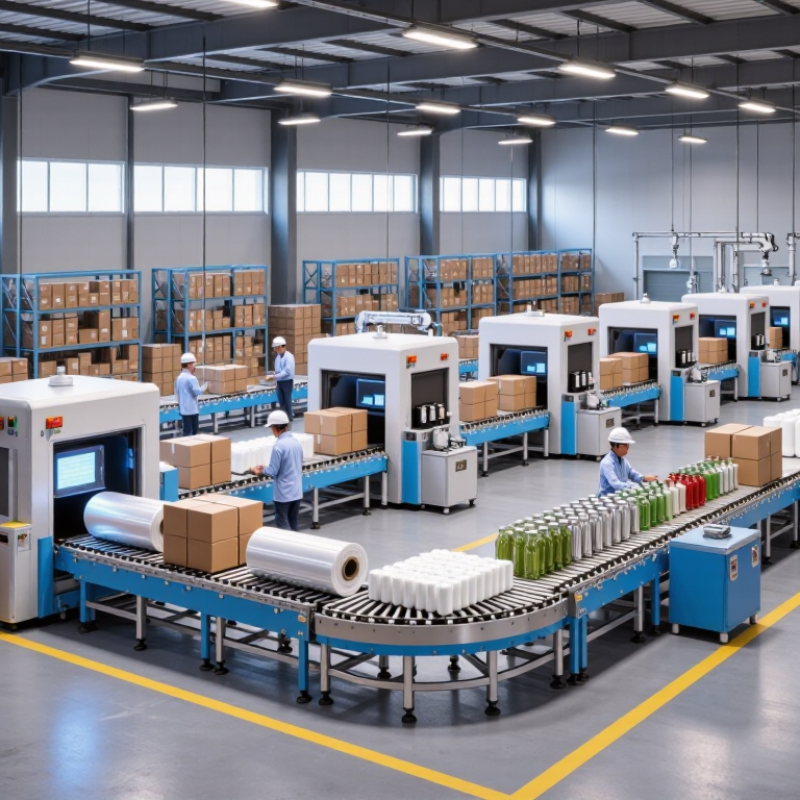
China’s packaging industry covers materials, converting equipment, printing, filling, and logistics protection. Its market scope is broad. Major categories include paper cartons, corrugated boxes, flexible films, rigid containers, glass bottles, metal cans, and protective inserts. Each category serves different performance needs, costs, and compliance requirements.
Classification also depends on production role. Material producers supply paper, resin, glass, or aluminum. Converters turn these materials into bags, cartons, labels, and trays. Equipment manufacturers provide printing, cutting, sealing, forming, and inspection systems. Contract packers complete filling and secondary packing for consumer, industrial, agricultural, and healthcare products. In practical supplier assessments, buyers should examine machine precision, material traceability, sample consistency, and wastewater controls. A polished factory tour proves little without production records.
Regional strengths are not identical. Coastal manufacturing clusters often offer stronger export logistics and specialized suppliers. Inland facilities may provide lower operating costs and growing domestic access. The market is changing through lightweight designs, recyclable structures, digital printing, and automated inspection. Yet progress is uneven. Some suppliers advertise sustainable packaging while relying on mixed materials that remain difficult to recycle. This gap deserves careful review. Buyers should request test data, certification details, production capacity, and clear delivery terms before ranking manufacturers. Small details matter, such as carton compression strength, film thickness, seal temperature, and pallet stability during transport.
China Top 10 Packaging Industry Manufacturers? - Packaging Industry in China: Market Scope and Classification
A classification of ten major packaging manufacturing segments in China. The rows describe industry segments, not a ranking of companies.
| Segment | Typical Materials | Common Products | Typical Applications | Market Scope and Key Considerations |
|---|---|---|---|---|
| Corrugated Paper Packaging | Corrugated fiberboard made from paper liners and a fluted paper medium | Shipping boxes, cartons, partitions and protective inserts | E-commerce, appliances, food distribution and general logistics | Used widely for transport packaging. Strength, board grade, print requirements and box dimensions are common purchasing considerations. |
| Folding Cartons and Paperboard Packaging | Paperboard, coated paperboard and related paper-based materials | Folding cartons, sleeves, gift boxes and retail display packaging | Food, personal care, pharmaceuticals and consumer products | Combines product presentation with secondary packaging. Buyers commonly consider print quality, structural design and any required product-contact barrier. |
| Flexible Plastic Packaging | Plastic films and laminates, sometimes combined with paper or thin foil | Pouches, bags, sachets, wraps and roll-stock films | Packaged food, household goods, personal care and agricultural products | Lightweight formats can provide barriers against moisture, oxygen or contamination, depending on material structure. Recyclability varies by design and available collection systems. |
| Rigid Plastic Packaging | Common packaging plastics such as PET, HDPE, PP and other molded polymers | Bottles, jars, tubs, trays, caps and closures | Beverages, food, household products, cosmetics and healthcare | Products are designed around shape, strength, closure and compatibility with the contents. Material selection depends on performance and end-use requirements. |
| Glass Packaging | Glass | Bottles, jars and glass containers | Beverages, food, cosmetics and selected pharmaceutical products | Glass can provide a rigid container and is compatible with many products. Weight, breakage protection, container design and transport costs are relevant considerations. |
| Metal Packaging | Steel and aluminum, including coated or lacquered grades where required | Food and beverage cans, tins, aerosol containers and metal closures | Food, beverages, personal care and household products | Metal containers can offer strength and product protection. Design, coating compatibility, forming requirements and recycling routes depend on the specific format. |
| Labels and Packaging Sleeves | Paper, film and pressure-sensitive label materials | Product labels, shrink sleeves, wraparound labels and in-mold labels | Consumer goods, food and beverages, pharmaceuticals and logistics | Labels support product identification, decoration and information display. Adhesive, printing method, container shape and application conditions affect material choice. |
| Molded Pulp Packaging | Formed fiber pulp, commonly produced from recovered paper or other fiber sources | Protective trays, cushioning inserts, egg cartons and molded holders | Electronics, food, household goods and protective shipping applications | Used for shaped cushioning and product separation. Performance depends on the molded design, fiber mix, moisture conditions and required protection level. |
| Wooden Packaging and Pallets | Sawn timber, plywood and other wood-based materials | Pallets, crates, boxes and export or industrial packaging | Machinery, building materials, industrial goods and freight handling | Selected for load-bearing and transport applications. Dimensions, load capacity, moisture, treatment and applicable shipping requirements should be checked for each use. |
| Reusable Transport Packaging | Durable plastics, metal or other materials designed for repeated handling | Returnable crates, totes, bins, pallets and bulk containers | Manufacturing, warehousing, retail distribution and closed-loop logistics | Designed for multiple trips within suitable supply chains. The business case depends on return logistics, cleaning, durability, tracking and the number of reuse cycles. |
Classification note: Packaging may also be classified by function—primary, secondary or transport packaging—and by material. Material recovery and recyclability depend on packaging design as well as local collection and recycling infrastructure.
Related Posts
-

How to Choose the Best Packaging Supplies for Your Business in 2025
-

How to Choose the Best Packaging Supplies for Your Business Needs?
-

10 Essential Tips for Choosing the Right Packaging Supplies?
-

Top 10 Trends Shaping the Future of the Packaging Industry in 2023
-
How to Choose the Right Bagging Equipment for Your Needs?
-

China Top Packaging Systems Innovations and Trends What to Know?