NEED HELP FAST? We have over 40 years' experience with Bulk Material Handling, Packaging, and Processing. (979) 217-1480 GET A QUOTE
NEED HELP FAST? (979) 217-1480 GET A QUOTE

2026 Top Packaging Conveyor Types for Global Buyers?
Choosing the right packaging conveyor in 2026 requires more than comparing belt widths or motor prices. Global buyers must match conveyor design with product shape, package material, line speed, hygiene needs, and available floor space. A lightweight pouch may require different handling than a rigid carton or glass container.
This guide examines the main packaging conveyors used across modern production lines. It covers belt, roller, chain, modular plastic belt, cleated, incline, and accumulation conveyors. Each type solves a practical problem, from steady product transfer to controlled spacing before filling, labeling, or case packing. Small details matter. A rough belt surface can stabilize cartons, while poor transfer points may damage corners or create jams.
In my experience, successful conveyor selection begins with the complete line, not one machine. Buyers should review motor access, cleaning routines, spare parts, noise levels, controls, and integration with existing equipment. Supplier documentation and testing are equally important, especially when equipment crosses borders and enters different operating environments. No conveyor is perfect. A high-speed model may reduce labor but increase maintenance demands. A low-cost frame may appear attractive but limit future expansion. This article offers a practical comparison for global buyers who need reliable packaging conveyors, while recognizing that product trials and site conditions can change the final decision.
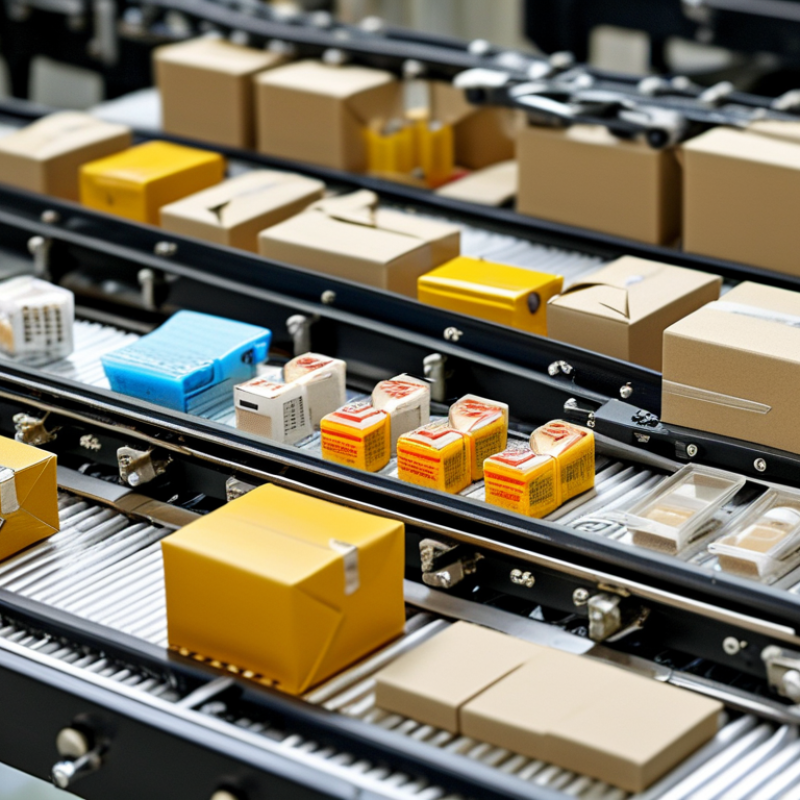
Packaging Conveyors: Definition, Functions, and Core Components
2026 Top Packaging Conveyor Types for Global Buyers
Packaging conveyors are mechanical systems that move products, cartons, trays, or filled containers between packaging steps. They reduce manual handling and help maintain a steady production rhythm. Common types include belt, roller, chain, modular, and flexible conveyors. Each design suits different loads, speeds, and hygiene requirements.
A conveyor typically includes a frame, drive motor, gearbox, belt or rollers, guides, sensors, and control equipment. Side guides keep cartons aligned near transfers. Sensors detect gaps, jams, and product positions. Variable-speed controls help operators match filling, sealing, labeling, and palletizing equipment. In real facilities, small details matter. A poorly positioned sensor can stop an entire line. Dust, moisture, and uneven cartons can also reduce tracking accuracy. No layout is perfect, so access for cleaning and maintenance should be planned early.
Tips: Choose the conveyor after measuring product weight, package dimensions, line speed, and available space. Leave practical clearance around motors and transfer points. Ask suppliers for load tests, safety documentation, spare-part support, and realistic delivery terms. Stainless steel may support demanding washdown areas, while coated steel can suit cleaner, drier zones. Review noise, energy use, guarding, and emergency-stop access before purchasing. A conveyor that runs fast is not always the most reliable choice.
2026 Top Packaging Conveyor Types for Global Buyers? - Packaging Conveyors: Definition, Functions, and Core Components
| Conveyor Type | Definition and Main Function | Typical Packaging Applications | Common Conveying Surface | Typical Layout or Movement | Key Advantages | Main Considerations |
|---|---|---|---|---|---|---|
| Belt Conveyor | A continuous belt conveyor transports packaged products steadily between filling, sealing, inspection, labeling, and case-packing stations. | Cartons, pouches, trays, shrink-wrapped packs, bags, and grouped products. | PVC, PU, rubber, modular plastic, or cleated belt. | Straight, inclined, declined, or curved sections. | Versatile, comparatively quiet, suitable for many product shapes, and easy to integrate with packaging machines. | Belt tracking, product spacing, cleaning requirements, and suitability for sharp or abrasive packages. |
| Roller Conveyor | A conveyor using parallel rollers to move rigid, flat-bottomed loads by gravity or powered rotation. | Shipping cartons, cases, totes, palletized loads, and rigid containers. | Steel, stainless steel, aluminum, or polymer rollers. | Accumulation lines, straight transfers, merges, and pallet handling routes. | Durable, accessible, suitable for accumulation, and capable of handling relatively heavy loads. | Requires stable package bases; exposed rollers may be unsuitable for small or unstable items without additional supports. |
| Chain Conveyor | A powered conveyor that uses one or more chains to carry or push heavy, rigid, or specialized packages. | Heavy cases, pallets, drums, bins, and containers with reinforced bases. | Single, double, or multi-strand steel or plastic chains. | Straight transfers, pallet movement, right-angle transfers, and heavy-duty accumulation. | High load capacity, positive movement, and good performance in demanding industrial environments. | Can be noisier than belt systems; requires chain lubrication, guarding, and correct load alignment. |
| Slat Conveyor | A conveyor formed from linked slats that provides a stable, continuous surface for containers and packaged goods. | Bottles, cans, jars, cartons, trays, and rigid containers requiring controlled positioning. | Stainless steel, carbon steel, or acetal and other engineered plastic slats. | Straight runs, curves, inclines, declines, and multi-lane packaging lines. | Stable product support, accurate transfers, and strong suitability for washdown-oriented production areas. | Higher purchase and maintenance costs than simple belts; hinge and sprocket areas need inspection. |
| Modular Belt Conveyor | A positive-drive conveyor assembled from interlocking plastic belt modules that can be replaced in sections. | Food packages, trays, pouches, cartons, containers, and products exposed to frequent cleaning. | Interlocking thermoplastic modules with smooth, perforated, or textured surfaces. | Straight, curved, inclined, declined, and radius-transfer layouts. | Sectional repair, positive tracking, flexible configuration, and good drainage options. | Module selection must match product friction, temperature, sanitation procedures, and conveying speed. |
| Cleated Conveyor | A belt conveyor fitted with raised cleats that separate products and reduce sliding on inclines or declines. | Bags, cartons, pouches, loose packages, and products moving to elevated or lower equipment. | PVC, PU, rubber, or modular belt with molded or attached cleats. | Inclined, declined, metered, or level-change conveying. | Improves product separation, supports steep elevation changes, and reduces package rollback. | Cleat height and spacing must match package dimensions; cleaning and belt replacement can be more involved. |
| Accumulation Conveyor | A conveyor designed to temporarily hold products while upstream and downstream machines operate at different rates. | Cartons, cases, trays, bottles, cans, and packs between processing stages. | Low-pressure belt, roller, chain, or zero-pressure conveyor surface. | Buffer zones, machine infeed and discharge areas, and production-line synchronization points. | Reduces machine stoppages, balances line speeds, and supports automated production continuity. | Requires sensors, controls, correct back-pressure management, and sufficient buffer length. |
| Flexible Conveyor | A movable or extendable conveyor that can be repositioned to serve loading, unloading, and temporary packaging tasks. | Shipping cartons, parcels, cases, and manually handled packaged goods. | Powered roller, skate-wheel roller, or flexible belt sections. | Expandable lengths, movable curves, truck loading docks, and warehouse workstations. | Space-efficient, quick to deploy, and useful where product flow or work areas change frequently. | Generally has lower load and speed limits than fixed industrial conveyors; ergonomic setup is important. |
| Vertical Conveyor | A lift or continuous vertical transport system used to move packaged products between different elevations. | Cartons, totes, trays, cases, and pallet loads between floors or platform levels. | Belt, chain, slat, platform, or carrier-based system. | Vertical lifts, reciprocating platforms, continuous loops, and floor-to-floor transfers. | Saves floor space and connects multi-level packaging, storage, and distribution operations. | Needs guarding, interlocked access, load-rated carriers, and careful integration with horizontal conveyors. |
| Vacuum Conveyor | An air-driven conveying system that transports lightweight items through enclosed tubing using controlled airflow. | Small bags, lightweight pouches, labels, caps, sachets, and selected small components. | Enclosed stainless steel or food-grade polymer tubing. | Long-distance, elevated, flexible, and hygienically enclosed routes. | Compact routing, reduced manual handling, and enclosed product transfer. | Airflow must be matched to product weight and shape; noise, filtration, and energy use require evaluation. |
Related Posts
-
Top 10 Packaging Conveyors Buyers Need to Know About?
-
How to Choose the Best Packaging Conveyors for Your Business?
-
Top 5 Packaging Conveyors You Need for Efficient Logistics?
-
Top 10 Tips for Success in the Packaging Industry?
-

2026 Best Industrial Containers for Global Buyers to Consider
-
Top Packaging Equipment Systems for Efficient Production Solutions?