NEED HELP FAST? We have over 40 years' experience with Bulk Material Handling, Packaging, and Processing.   (979) 217-1480 GET A QUOTE

NEED HELP FAST?   (979) 217-1480   GET A QUOTE

Top Packaging Equipment Systems for Efficient Production Solutions?

In today's competitive market, efficient production is crucial. Companies seek innovative solutions to enhance their operations. One significant aspect of this is the use of packaging equipment systems. These systems play a vital role in streamlining processes and improving productivity.

Packaging equipment systems can help businesses reduce waste and optimize their workflows. With the right technology, companies can achieve faster turnaround times and better quality control. It's essential to choose systems that fit specific production needs. However, finding the perfect match can be challenging.

Investing in packaging equipment systems is not just about automation. It involves careful consideration of layout, functionality, and maintenance demands. Not all systems are created equal, and adaptability is key. Exploring various options and learning from existing challenges can guide better decisions.
Top Packaging Equipment Systems for Efficient Production Solutions?

Key Features of Packaging Equipment for Enhanced Efficiency

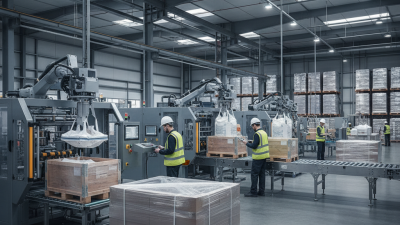
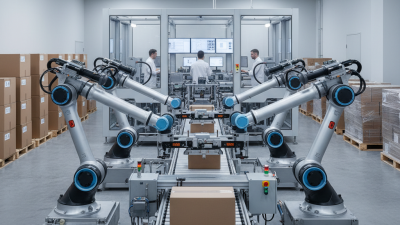
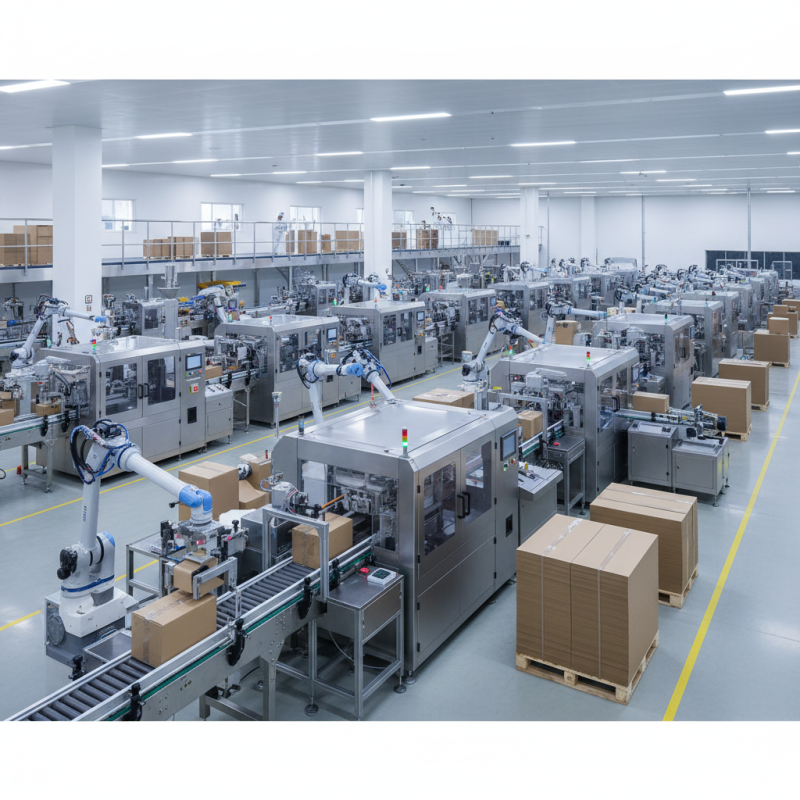
When selecting packaging equipment, efficiency is vital for production. Key features can significantly enhance operational performance. Automated systems stand out. They minimize human error and speed up the packaging process. For instance, robotic arms can easily handle repetitive tasks. These machines work tirelessly, ensuring consistency in product quality.

Another crucial aspect is integration with existing systems. Equipment should seamlessly communicate with inventory and production lines. This connectivity can reduce downtime. However, many facilities struggle with compatibility. Sometimes, outdated technologies resist modern upgrades. Such challenges can hinder overall efficiency.

Investing in user-friendly interfaces is essential too. Operators should easily navigate the systems. If the equipment is complex, training becomes a burden. This can lead to operational delays. A focus on design simplicity fosters a better working environment. It allows operators to concentrate on process optimization. However, manufacturers may overlook this aspect. Ultimately, enhancing efficiency in packaging requires thoughtful consideration of all features.
Top Packaging Equipment Systems for Efficient Production Solutions

Types of Packaging Systems and Their Applications in Production

Packaging systems play a vital role in ensuring streamlined production processes. Various types of packaging equipment cater to different needs in industry. Each system is designed for specific applications, significantly impacting efficiency and productivity.

Automated packaging solutions, for instance, are popular in high-volume environments. They offer speed and consistency, which is critical for meeting demand. However, some companies face challenges in integrating this technology into existing workflows. This often leads to downtime and operational inefficiencies.

On the other hand, manual packaging systems still hold value in niche markets. They allow for flexibility and custom solutions. Yet, they may not keep up with faster production rates. The balance between automation and manual processes needs careful consideration. Keeping costs in check while maximizing output remains a constant challenge.

Top Packaging Equipment Systems for Efficient Production Solutions

Packaging System Type Description Common Applications Key Benefits
Vertical Form Fill Seal (VFFS) An automated packaging solution that forms, fills, and seals bags or pouches. Snacks, grains, and powdered products. High efficiency, versatility in packaging sizes, cost-effective.
Horizontal Form Fill Seal (HFFS) Packages flat flexible materials into pillow bags or sachets. Confectionery, bakery products, and ready-to-eat meals. Fast changeovers, enhanced product protection, compact design.
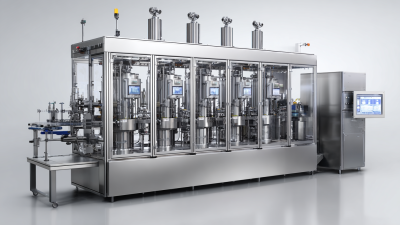
Bottle Filling Machines Fills liquid products into containers such as bottles or jars. Beverages, chemicals, and pharmaceutical products. Precise filling, reduced waste, and high-speed operation.
Labeling Machines Applies labels to containers quickly and accurately. Food products, cosmetics, and household supplies. Increased production speed, consistent application, and flexibility.
Cartoning Machines Forms and fills cartons with products and seals them. Cereals, ready meals, and personal care products. Efficient packaging, reduced labor costs, and enhanced product security.

Innovations in Packaging Technology for Streamlined Operations

Innovations in packaging technology are reshaping production lines. New systems are designed to enhance efficiency and reduce waste. These advancements integrate automation, allowing for faster packaging speeds. Companies are beginning to realize the importance of flexible packaging solutions that adapt to various products.

Smart packaging technologies are also emerging. These include sensors that monitor freshness and durability. Such innovations not only improve product quality but also increase customer satisfaction. Yet, companies must consider the cost implications of implementing these advanced systems. Balancing expense and efficiency can be challenging.

Moreover, sustainability remains a crucial aspect. Many packaging innovations now focus on eco-friendly materials. However, some of these solutions may not perform as well as traditional options. There’s still much room for improvement in creating sustainable yet effective packaging systems. The industry must continually explore new ideas while addressing these hurdles.

Factors to Consider When Choosing Packaging Equipment

Top Packaging Equipment Systems for Efficient Production Solutions?

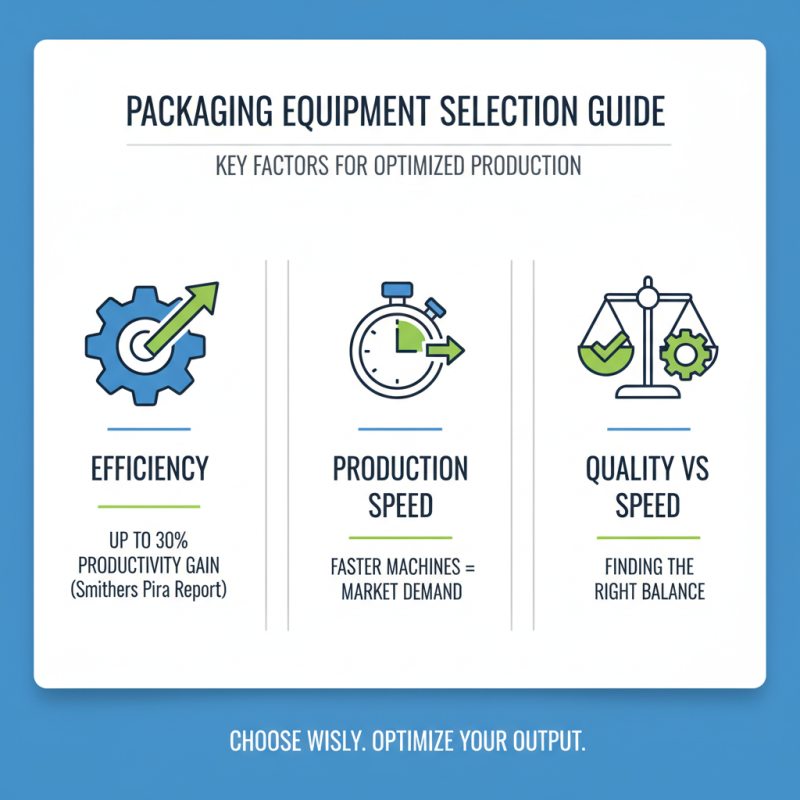
When choosing packaging equipment, several factors heavily influence the decision. Efficiency is crucial. According to a report by Smithers Pira, companies can improve productivity by up to 30% with the right systems. Assessing the production speed is vital, as faster machines can meet market demands. However, balancing speed and quality remains challenging.

Cost is another significant factor. Initial investments can be high, often around 20-30% of total production costs. Yet, companies must also consider long-term savings. Maintenance costs can escalate if equipment isn’t reliable. A study suggested that faulty machines contribute to 15% of production downtime.

Flexibility in packaging options is increasingly essential. As consumer preferences evolve, equipment must adapt to various products. This adaptability can lead to inefficiencies if the machinery cannot handle diverse shapes and sizes. A rigid system may hinder a company’s ability to innovate. Regular assessments of tech capabilities can provide critical insights, enabling firms to stay competitive and responsive to changing market needs.

Benefits of Automated Packaging Solutions in Manufacturing

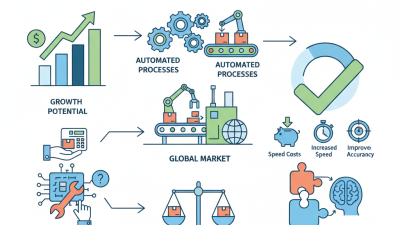
Automated packaging solutions are transforming the manufacturing landscape. These systems streamline processes, reducing the time needed for packaging. Efficiency has become critical in today's fast-paced market. Automated systems can package products quickly and accurately. They minimize human error, which often leads to waste.

Investing in automated solutions also saves costs in the long run. While the initial investment can be significant, the benefits outweigh this. Companies often report improved productivity and reduced labor costs. Furthermore, these systems can adapt to various product types, offering versatility. However, companies must consider the learning curve associated with new technology. Employees may need training to maximize efficiency and safety.

Another essential aspect is the sustainability potential of automated packaging. These systems can minimize material waste, which is an important consideration today. Eco-friendly options are emerging, but implementing them can be challenging. Balancing efficiency with sustainability requires careful planning and reflection. Companies must continuously reassess their methods, aiming for improvements while addressing any shortcomings.