NEED HELP FAST? We have over 40 years' experience with Bulk Material Handling, Packaging, and Processing. (979) 217-1480 GET A QUOTE
NEED HELP FAST? (979) 217-1480 GET A QUOTE

What Are Automated Bagging Systems?
Automated bagging systems package products with limited manual handling. They typically combine product feeding, bag opening, filling, sealing, coding, and discharge. Depending on the application, the system may handle powders, grains, pet food, produce, or manufactured parts. A complete line can process bags consistently, while reducing repetitive lifting and sealing work.
Jorge Izquierdo, Vice President of Market Development at PMMI, has said, “Automation is not just about replacing people; it is about making people more productive.” That perspective matters on a modern packaging floor. Operators may load empty bags, monitor sensors, adjust settings, and inspect seals. The machine performs repetitive movements, but trained people still control quality and safety. Small details matter. A crooked bag can stop the conveyor. A weak seal can damage the product.
Automated bagging systems also improve repeatability, production visibility, and material control. However, automation is not automatically the best choice for every facility. Product variation, bag size, available floor space, maintenance skills, and expected output all influence the decision. An impressive machine may perform poorly when its feeder cannot manage fragile products. Energy use and changeover time deserve attention too. This overview explains how these systems work, where they create value, and what buyers should question before installation. It may not cover every specialized configuration. Real production conditions are rarely as tidy as a brochure suggests.
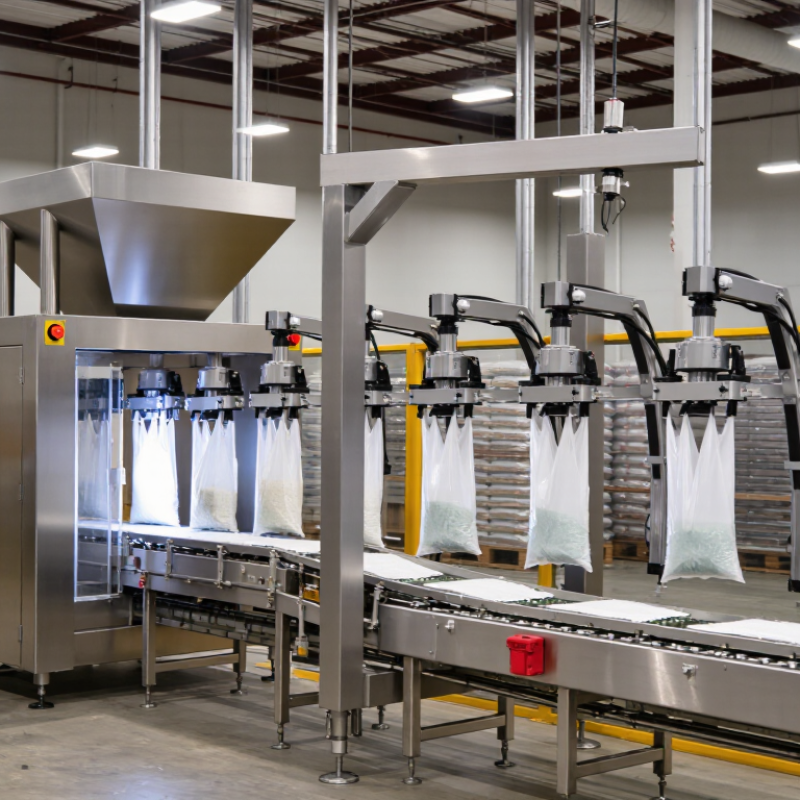
Automated bagging systems are integrated machines that measure, fill, seal, and discharge products with limited manual handling. They commonly use weighers, bag openers, conveyors, sensors, and programmable controls. In a busy packaging line, an empty bag opens beneath a dosing unit. The machine adds a controlled quantity, seals the package, and transfers it forward. Accuracy depends on product flow, equipment calibration, and bag quality.
The value is practical, not magical. Automated systems can improve output consistency, reduce repetitive lifting, and create clearer production records. The International Federation of Robotics reported 541,302 industrial robots were installed worldwide in 2023. This figure covers many industries, not bagging alone, but it shows automation’s expanding industrial role. PMMI’s 2024 Packaging Machinery Economic Impact Study valued United States packaging machinery shipments at approximately 11.3 billion dollars in 2023. Such investment suggests continuing demand for measurable packaging performance. Still, installation costs, maintenance skills, dust, and irregular products can weaken expected gains. A system may run fast, yet produce poor seals when material settings are wrong.
Tips: Match the filler to product behavior, not only target speed. Test fragile, sticky, or dusty materials before purchase. Record seal temperature, fill weight, and downtime daily. Train operators to question unusual readings. Small errors can become expensive waste. Teams should also review guarding, emergency stops, and local safety requirements with qualified professionals. These details are often overlooked.
What Are Automated Bagging Systems?
Core Components of an Automated Bagging System
An automated bagging system combines several machines to fill, close, and transfer packaged products. The process begins with a bag magazine that stores empty bags in a controlled position. A bag placer removes one bag at a time and presents it to the filling station. Sensors check alignment before the bag opens.
The filling unit controls product flow through a hopper, auger, or measured gate. A weighing system then verifies the target amount. Accurate weighing matters because small variations can create waste or inconsistent packages. After filling, a sealing or stitching unit closes the bag. A discharge conveyor moves each finished package toward storage or palletizing equipment.
The control panel connects these components through programmed operating steps. Sensors monitor bag presence, product level, sealing temperature, and conveyor movement. Safety guards, emergency stops, and access switches help protect operators during production. Dust extraction may also support cleaner working conditions around dry materials.
In real facilities, the bag-opening station often becomes a weak point. Slightly bent bags can interrupt the entire cycle. Operators therefore inspect bag quality and adjust guides during routine checks. That practical attention is easy to underestimate. A reliable system still needs trained people, regular cleaning, and documented maintenance. Performance depends on both machine design and daily discipline.
Automated bagging systems turn loose products into sealed packages with limited manual handling. Their operation begins when an operator loads bulk material into a hopper. A sensor monitors the supply level. The control system then releases a measured portion through a weighing or volumetric filling unit. Accuracy depends on product flow, moisture, and particle size.
Next, the machine opens a pre-made bag or forms one from packaging film. Grippers hold the bag steady while the measured product enters. A checkweigher can confirm the target weight. If the reading is outside the set range, the system may pause or reject the package. The bag then moves to a sealing station, where heat, pressure, or stitching closes the opening. A final sensor checks the seal, position, and package presence before discharge.
Tips: Keep sensors clean and calibrate weighing components on a planned schedule. Watch the first production run closely. A dusty sensor can create false readings, while uneven material may cause unstable weights. Operators should record these issues instead of adjusting settings blindly. No system is perfect. Small changes in product texture can require slower filling or revised timing. Clear access points also make cleaning and maintenance safer.
Automated bagging systems measure, fill, seal, and discharge packaged products with limited operator handling. In daily production, the right method depends on product flow, bag shape, weight, and sealing requirements. No method wins every time.
Vertical form-fill-seal machines create bags from a roll of flexible film. They suit powders, grains, snacks, and small parts. Horizontal systems handle products that need gentler movement, such as baked goods or fragile components. Premade pouch systems offer cleaner presentation and support zippers, spouts, or shaped bags. Open-mouth baggers work well for heavier products, including animal feed, soil, and building materials. Valve bags can reduce dust during filling, but they need compatible closing equipment.
Packaging material affects machine performance as much as product quality. Polyethylene films provide flexibility and moisture resistance. Polypropylene offers stronger clarity and stiffness for certain applications. Woven polypropylene supports heavy loads and rough handling. Paper bags can improve printability and surface feel, while laminated structures add barrier protection against oxygen or humidity. Compostable films may appear attractive, yet their sealing range and storage stability require careful testing. I have seen a material pass a short trial and fail during a longer production run. That mistake is expensive.
Reliable systems use load cells, photoelectric sensors, seal-temperature controls, and reject checks. Operators should inspect seals, film tension, dust buildup, and actual fill weights throughout the shift. Small adjustments matter. A fast line is not automatically a dependable line.
Automated bagging systems fill, weigh, close, and discharge bags with limited manual handling. They support food, grain, animal feed, building materials, and other dry products. In a well-tuned line, sensors confirm bag position before filling begins. Load cells then measure each portion, while sealing equipment closes the package securely. This process can improve weight consistency, reduce product spills, and lower repetitive handling. It may also create cleaner work areas around dusty materials. However, automation does not remove every production challenge. Poor calibration can still produce inaccurate weights.
The best system depends on the product, bag design, and production target. Powder behaves differently from pellets or irregular pieces. Selection teams should review fill speed, bag sizes, sealing methods, dust control, sanitation needs, and available floor space. Integration with conveyors, checkweighers, and inspection equipment also matters. Maintenance access deserves equal attention. A machine that runs quickly but takes hours to clean may weaken overall efficiency. Total cost includes training, spare parts, energy use, and changeover time. Faster is not always better.
Tips: Test the actual product before purchasing equipment. Measure its flow, bulk density, dust level, and moisture sensitivity. Ask operators to evaluate controls and cleaning access. Leave room for future bag sizes. Document trial results, including failures, because small errors often reveal the most important design limits.