NEED HELP FAST? We have over 40 years' experience with Bulk Material Handling, Packaging, and Processing.   (979) 217-1480 GET A QUOTE

NEED HELP FAST?   (979) 217-1480   GET A QUOTE

What Are the Top Filling Machines for Your Business?

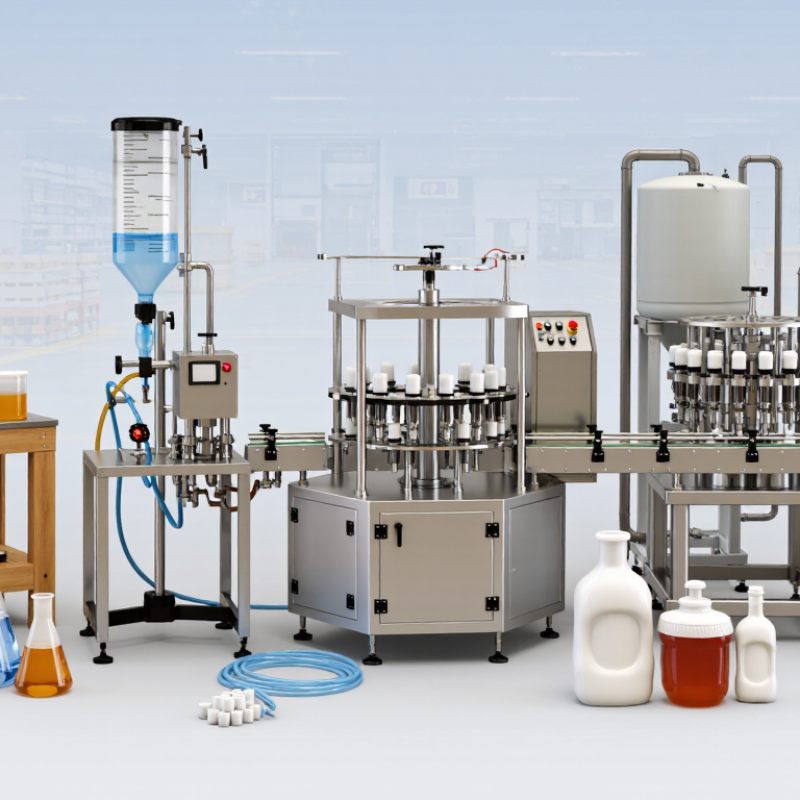
Choosing the right filling machines can shape your production speed, product consistency, and operating costs. A compact tabletop filler may suit short runs, while a rotary system can support higher-volume lines. The right choice depends on more than bottles per minute.

Start with the product itself. Is it thin like water, viscous like honey, or prone to foaming? A clear sample container on a workbench can reveal flow and drip behavior. Then consider fill accuracy, container shape, changeover time, cleaning needs, and available floor space. These details influence whether volumetric, piston, gravity, or flow-meter technology fits your process.

Manufacturing quality expert W. Edwards Deming is often credited with saying, “A bad system will beat a good person every time.” His reminder applies to equipment selection: reliable results depend on matching the machine, product, and production line. Ask suppliers for trials using your actual product and containers. Request details on accuracy, maintenance access, spare parts, and operator training. A polished demonstration matters less than repeatable results on an ordinary production day.

There is no universal winner. Small producers may value simple controls and quick cleaning; larger operations may need automated feeding and line integration. Compare total ownership costs, not only the purchase price. Still, no checklist catches everything. A machine that performs well in a showroom may behave differently after a long shift, especially when viscosity or temperature changes. The sections below compare leading filling machines by application, strengths, limitations, and practical selection criteria, helping you shortlist options with evidence rather than guesswork.
What Are the Top Filling Machines for Your Business?

What Filling Machines Do and How They Operate

What Are the Top Filling Machines for Your Business?

What Filling Machines Do and How They Operate

Filling machines move a set amount of product into containers, helping businesses keep fill levels consistent and production organized. The right machine depends on the product, container, and required output. A gravity filler suits thin liquids, while a piston filler can handle thicker products such as sauces. Small details matter: a narrow bottle opening may need a carefully aligned nozzle.

Most systems bring containers under filling nozzles using a conveyor or manual placement. Sensors detect each container, then valves or pumps release a measured dose. The machine may use time, volume, weight, or piston movement to control that dose. Operators adjust settings and test several fills before production. A change in temperature can alter product flow, so yesterday’s settings may not work perfectly today. That happens.

The Main Types of Filling Machines for Different Products

What Are the Top Filling Machines for Your Business?
The Main Types of Filling Machines for Different Products

The right filling machine depends on what flows through the nozzle. Gravity fillers suit thin liquids such as water or juice, while overflow fillers help create consistent-looking levels in clear bottles. Foam changes everything. A foaming liquid may need slower filling or a different nozzle to limit bubbles and spills.

Piston fillers handle thicker products, including sauces, creams, and gels. Their measured strokes can provide repeatable portions, but product texture and temperature affect performance. Pump fillers offer flexibility across different viscosities. Some pump designs also handle delicate products gently, though testing is essential before choosing one. Powder behaves differently. Auger fillers use a rotating screw to dispense powders into containers, while cup fillers can work well with free-flowing granules.

For chunky products, such as diced fruit, a machine with wider product passages can reduce blockages. Consider container shape, target fill size, cleaning needs, and expected production volume. A neat specification sheet may not reveal how a sauce drips or how powder settles. There is no universal winner. A small trial with your actual product can expose these details, even if the results complicate your original plan.

Top Filling Machine Types for Different Products

Compare common product applications by filling machine type. Bars count the example product groups listed below; they are not market-share figures or performance rankings.

Examples: Gravity—water, juice, thin liquids; Overflow—water, beverages, cleaning liquids; Piston—sauces, creams, pastes, products with small particulates; Pump—oils, lotions, syrups, sauces; Auger—flour, spices, powdered ingredients.

Key Factors for Choosing a Machine for Your Business

What Are the Top Filling Machines for Your Business?

Choosing a filling machine starts with the product, not the machine’s advertised speed. A thin liquid behaves differently from a thick sauce or a product with small particles. Match the filling method to the product’s viscosity, container shape, and target fill volume. Then test with your actual containers. A narrow bottle neck, for example, may need a different nozzle to reduce splashing. Check fill accuracy at the start, middle, and end of a production run. One successful test is not enough.

Consider how often your team changes products or container sizes. Quick adjustments and accessible parts can save time during changeovers. Look at cleaning requirements, operator training, and the availability of routine maintenance. These details affect daily output as much as rated speed. Small details matter. A machine that runs quickly but requires frequent stops may not suit a small team. I would also compare the full operating cost, including consumables, service, and downtime—not just the purchase price. No estimate is perfect; leave room for unexpected repairs.

Tips: Record a short production trial before buying. Note containers filled per minute, spills, and time spent cleaning. Ask operators to make an adjustment themselves. Their feedback may reveal a problem that a specification sheet misses. If your product or packaging changes often, favor flexible settings over maximum speed.

What Are the Top Filling Machines for Your Business? - Key Factors for Choosing a Machine for Your Business

Filling machine type How it works Well suited to Key advantages Points to consider Useful selection factors
Gravity filler Uses gravity to dispense liquid from a supply tank into containers. Free-flowing, low-viscosity liquids such as water-like products. Relatively simple operation; can suit products that do not require pressurized filling. Thicker liquids may fill slowly or inconsistently; container level and product properties affect results. Liquid viscosity, container opening, target fill level, and required production rate.
Overflow filler Fills containers to a consistent visible level, with excess product returning to the supply system. Free-flowing liquids in transparent containers where a uniform fill line matters. Creates a consistent-looking liquid level across containers of the same design. Fill level is not necessarily the same as a specific product volume or weight; foaming can complicate filling. Container shape, product foaming, desired appearance, and whether volume measurement is required.
Piston filler A piston draws a set volume into a cylinder and dispenses it through a filling nozzle. Viscous liquids, pastes, creams, sauces, and some products with small particulates. Handles a broad range of product consistencies; adjustable stroke can change the dispensed volume. Product-contact parts need suitable cleaning; large particulates may require a purpose-designed product path. Viscosity, particle size, fill volume, nozzle design, and cleaning requirements.
Peristaltic filler Rotating rollers compress flexible tubing to move a measured amount of product through the tube. Small-volume dosing and products where limiting contact with pump components is useful. The product contacts the tubing rather than the pump mechanism; tubing can be replaced between runs. Tubing compatibility, wear, and product flow characteristics can affect performance. Required dose, chemical compatibility, tubing replacement frequency, and production scale.
Net-weight filler Dispenses product while a scale measures the weight added to each container. Products sold by weight, including liquids and some bulk materials. Measures the target fill by weight rather than relying only on a fixed volume. Scale performance depends on correct setup and a stable filling environment; the process can require more space. Target weight, container handling, scale range, product flow, and applicable measurement rules.
Auger filler A rotating screw conveys and dispenses powder into a container. Powders and granulated materials, depending on their flow properties. Designed for controlled dispensing of dry products; settings can be adjusted for different doses. Dust, bridging, and differences in bulk density or flowability can affect filling and dose consistency. Powder flow, dust control, target dose, hopper design, and cleaning needs.
Volumetric cup filler Measures product using cups or pockets of a set volume before releasing it into packages. Free-flowing dry products such as grains, seeds, and similar particulates. Can dispense repeated portions at a steady rate for suitable products. A set volume does not guarantee a fixed weight when bulk density or product size changes. Product size and flow, allowable weight variation, package format, and changeover needs.

Selection note: Actual output, fill consistency, and product compatibility depend on the machine configuration, product characteristics, container, and operating conditions. Test with the intended product and packaging before purchase.

How to Compare Filling Machines by Speed, Accuracy, and Cost

What Are the Top Filling Machines for Your Business?

Compare filling machines by speed, accuracy, and cost—not by headline numbers alone. A machine rated for 60 containers per minute may run slower with a thick liquid or frequent container changes. Test it using your actual product, container, and target fill volume. Watch several cycles, not just the first few.

Accuracy affects both product giveaway and customer experience. Weigh filled containers at the beginning, middle, and end of a trial. Record variation, then repeat after a brief stop and restart. Small spills around the nozzle matter, too. Ask how easily operators can adjust fill volume and clean product-contact parts. A fast machine can still be a poor fit.

Compare the full cost of ownership. Include installation, operator training, routine maintenance, spare parts, and expected downtime. A lower purchase price may be offset by slower changeovers or more frequent cleaning. Get clear estimates in writing. Then compare them against realistic production volumes, not the busiest day of the year. There is no perfect scorecard. I would leave room for doubt: one short trial may not reveal seasonal changes in product flow or operator skill.

Matching Machine Features to Your Production Needs

Choosing a filling machine starts with the product, not the advertised speed. A thin liquid may suit a gravity or flow-meter system, while a thick sauce may need a piston filler. Products with particles require nozzles and passages wide enough to prevent clogging. Match the machine to your real container sizes, daily output, and expected shifts. A line that fills 500 bottles per hour may be excessive for a small batch operation.

Accuracy and changeover time matter as much as capacity. For example, a 250-milliliter bottle needs consistent fill levels without splashing or drips. Ask how the machine handles different viscosities, container shapes, and target volumes. Check whether operators can adjust settings clearly, and whether routine cleaning requires tools. Small details count. A hard-to-reach valve can turn a quick wash into a long stoppage.

Consider your production environment, too. Stainless steel contact parts, accessible seals, and documented cleaning procedures can support hygienic operation, but verify that materials suit your product. Measure available floor space and check utility needs before installation. A spreadsheet can make the choice look simpler than it is; real products often behave differently at production speed. Test samples using your own containers and recipe, then compare fill accuracy, waste, and changeover time. That evidence is more useful than choosing the fastest machine on paper.