NEED HELP FAST? We have over 40 years' experience with Bulk Material Handling, Packaging, and Processing. (979) 217-1480 GET A QUOTE
NEED HELP FAST? (979) 217-1480 GET A QUOTE

Choosing the right packaging equipment can shape every stage of your operation. It affects product protection, labor efficiency, production speed, and customer trust. A suitable machine should match your product size, material, filling method, and daily output. For example, a bakery may need gentle sealing equipment, while a chemical manufacturer requires stronger containment and precise monitoring. Small mismatches can create damaged cartons, uneven seals, and costly downtime.
Reliable decisions begin with measurable evidence. Review current production volumes, future growth plans, available floor space, and operator skills. Ask suppliers for performance data, testing procedures, warranty terms, and service response times. Reputable manufacturers should explain maintenance schedules and provide clear training. They should not promise unrealistic results. Safety features, electrical requirements, sanitation standards, and applicable industry regulations also deserve careful review. Packaging equipment must support consistent quality, not merely impressive speed.
Real-world testing is valuable. Run your actual containers, labels, and materials through the proposed system before purchasing. Watch how operators load supplies during a busy shift. Check whether adjustments require tools, extended downtime, or specialist support. This practical step often reveals problems that brochures hide. It is easy to focus on purchase price and overlook film waste, spare parts, energy use, and cleaning time. That mistake can become expensive.
No equipment choice is perfect. Business conditions change. A thoughtful evaluation reduces uncertainty and supports dependable growth. The best solution balances performance, safety, flexibility, and long-term operating value. It should work reliably today while leaving room for tomorrow.
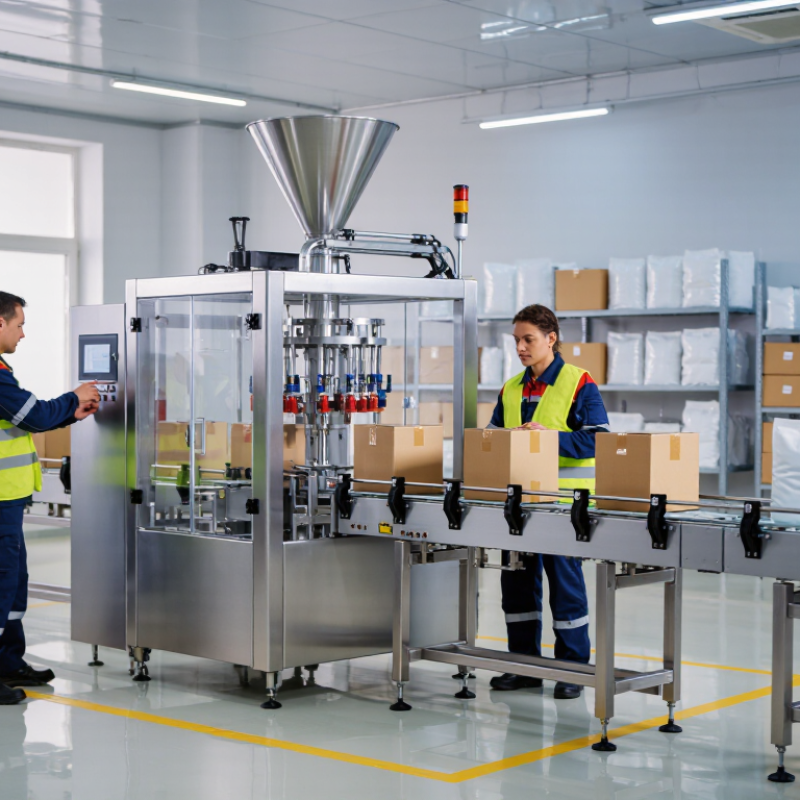
Packaging equipment is part of the operating system, not an isolated purchase. It controls how products move, seal, label, and leave the facility. Suitable equipment can reduce handling, stabilize output, and protect product quality. An unsuitable machine creates delays during every shift change. Small faults matter. A loose seal can cause rework, complaints, and wasted materials.
The equipment should match the product, package size, production volume, and available floor space. Operators also need clear controls and safe access for cleaning. During a line review, I would watch the first ten packages after changeover. Are labels aligned? Is the seal consistent? How long does adjustment take? These details reveal more than a specification sheet. Maintenance access matters too. If a technician needs an hour to reach a common wear part, downtime becomes expensive. Sensors can support reliable checks, but data alone cannot fix poor setup.
The right system should also support future operations. Modular equipment may handle several formats without requiring complete replacement. That flexibility has limits. More features can mean more training and more failure points. I have seen teams choose impressive automation, then struggle with basic calibration. A simpler line can perform better when staff understand it. Review energy use, spare-part availability, training needs, and service procedures before approval. Write those answers into the operating plan.
Why Choose the Right Packaging Equipment for Your Business?
Assessing product, production, and packaging requirements should come before comparing machine prices. Product behavior matters first. Powder, liquid, fragile, sticky, and temperature-sensitive goods create different handling demands. Measure density, viscosity, dimensions, moisture, and allowable product damage. A small change in container shape can affect filling accuracy, sealing pressure, and line stability.
Production planning needs evidence, not optimism. PMMI reported that U.S. packaging machinery shipments reached approximately $11.3 billion in 2023. That investment reflects continued demand for automation and reliable output. However, a machine’s advertised speed may not match real operating conditions. Product changeovers, cleaning, material waste, and operator training reduce practical capacity. Calculate hourly output using actual batch sizes and downtime records. Leave room for growth, but do not buy capacity that remains idle.
Packaging requirements also deserve a detailed review. Check film structure, closure type, label position, seal strength, and inspection needs. The Smithers report, The Future of Packaging and Sustainability to 2028, identifies sustainability and material efficiency as major forces shaping packaging development. This means equipment should support lighter materials without sacrificing seal quality. Test representative products and packaging materials before signing an order. It is easy to overlook this step. A specification sheet cannot reveal every feeding problem, weak seal, or awkward changeover. Controls, spare parts, sanitation access, and technical support should be assessed alongside speed. The cheapest machine may become the most expensive choice when failures interrupt production.
Why Choose the Right Packaging Equipment for Your Business?
Manual, semi-automatic, and fully automatic equipment serve different production realities. Manual systems suit small batches, seasonal products, and frequent format changes. They cost less initially, but labor demand can rise quickly. Semi-automatic machines balance operator control with steady output. A worker may place containers, while the machine fills, seals, or labels them. This setup often fits growing businesses with moderate production volumes.
Fully automatic lines can improve speed, consistency, and workplace efficiency. However, they require stronger planning and more technical support. Compare filling accuracy, sealing quality, changeover time, and cleaning access. These details matter beside the machine’s headline speed. A ten-minute format change can affect an entire shift. Sensors, reject systems, and guarding also influence reliability and operator safety. Data connections may help track downtime, output, and recurring faults.
Automation should match your process, not your ambitions alone. A trial using real products can reveal problems that brochures hide. Test different package sizes, materials, temperatures, and production speeds. I have seen teams underestimate cleaning time and overestimate future demand. That mistake can leave expensive equipment standing idle. Leave room for improvement. A semi-automatic system may be the wiser step before full integration. Ask suppliers for training, maintenance guidance, spare-part availability, and documented performance results. No comparison is perfect. Your people, workspace, product behavior, and growth plans complete the decision.
Comparing equipment types, features, and automation levels
Automatic and integrated systems typically deliver higher throughput and more consistent results than manual or semi-automatic equipment. However, manual and semi-automatic solutions can offer greater flexibility and lower initial investment for smaller production volumes. The throughput figures shown are representative operating ranges; actual performance depends on product size, packaging format, operator skill, changeover time, and line configuration.
Choosing packaging equipment is a financial decision, but the lowest purchase price rarely tells the full story. PMMI’s 2024 State of the Industry report identifies labor availability, uptime, and operating costs as persistent pressures for manufacturers. Compare total cost of ownership instead. Include energy use, spare parts, changeover time, training, software support, and expected downtime. A spreadsheet can lie. A machine requiring two operators may cost more than a faster system with simpler controls.
Efficiency should be measured on the production floor, not only in a sales demonstration. Record actual output, reject rates, format changes, and cleaning time. The International Federation of Robotics reported 541,302 industrial robots installed worldwide in 2023. That figure shows strong automation momentum, but automation is not automatically efficient. A poorly integrated conveyor can create jams beside an excellent filling machine. Test the complete line with your real materials, operators, and packaging formats.
Safety and scalability deserve equal attention. OSHA’s FY2024 enforcement data kept machine guarding among its most frequently cited standards. Check access doors, emergency stops, guarding, noise, and operator reach before approval. Ask whether maintenance can be completed without unsafe workarounds. For growth, select modular equipment with available connection points, adjustable tooling, and documented upgrade paths. Start with realistic demand, not optimistic forecasts. Otherwise, unused capacity becomes expensive floor space. Yet choosing equipment that cannot handle a second shift may force another major investment too soon.
Selecting the right packaging solution starts with the product, not the machine. Measure its dimensions, weight, fragility, moisture sensitivity, and expected production volume. Then map the complete workflow, from material loading to sealing, labeling, inspection, and palletizing. Small gaps often become costly delays. A qualified equipment supplier should ask about changeover time, operator skill, floor space, utilities, and future growth. Request sample trials with real products and packaging materials. Watching a seal form on a test line reveals more than a polished brochure.
Implementation deserves the same attention as selection. Create a practical installation plan with electrical requirements, safety clearances, training dates, and acceptance criteria. Operators should practice routine adjustments, cleaning, fault recovery, and safe shutdowns before production begins. Keep spare wear parts available, and record baseline rates for speed, waste, downtime, and seal quality. These records support reliable decisions after commissioning. Do not judge performance during a single successful shift. Run the equipment across different products and shift conditions. Reality is less tidy.
No selection is perfect. A solution that looks efficient may create difficult changeovers or excessive material waste. That risk should be discussed openly during evaluation. Pilot testing may expose weaknesses, but it also prevents expensive surprises. Review maintenance access, software controls, documentation, and emergency procedures with the people who will use them daily. Independent technical verification can strengthen confidence, especially when output claims seem unusually high. Revisit the decision after several weeks of operation. Actual data may challenge the original assumptions.