NEED HELP FAST? We have over 40 years' experience with Bulk Material Handling, Packaging, and Processing. (979) 217-1480 GET A QUOTE
NEED HELP FAST? (979) 217-1480 GET A QUOTE

Why Is Packaging Equipment Essential for Global Buyers?
For global buyers, packaging equipment is more than a production-line purchase. It shapes product safety, output consistency, labor efficiency, and shipment readiness. A machine sealing food pouches in Guangzhou may serve retailers in Berlin, Toronto, or Dubai. Each destination can demand different labeling, voltage, sanitation, and documentation. Buyers should assess the complete operating environment, not only the quoted machine price. Small details matter. A poorly positioned sensor can create repeated rejects, wasted film, and delayed orders.
Reliable sourcing begins with evidence. Buyers should review factory experience, material compatibility, changeover time, guarding, cleaning access, and spare-parts support. Factory acceptance tests can reveal unstable sealing temperatures or inaccurate filling before shipment. Video demonstrations help, but on-site trials provide stronger proof. Technical files, user manuals, maintenance schedules, and training records also strengthen purchasing decisions. In my experience, suppliers who explain limitations deserve more trust than those promising effortless performance. Nothing is automatic.
Global projects also require disciplined communication. Confirm power standards, language settings, software access, installation conditions, and after-sales response times in writing. A capable supplier should explain how packaging equipment performs with the buyer’s actual product, container, and throughput target. Still, even careful planning has gaps. A new film structure may run differently in humid weather, or operators may need more training than expected. That uncertainty should be tested, documented, and improved rather than hidden. For global buyers, the strongest investment combines practical validation, transparent expertise, and dependable service throughout the equipment’s working life.
What Is Packaging Equipment and Why Does It Matter?
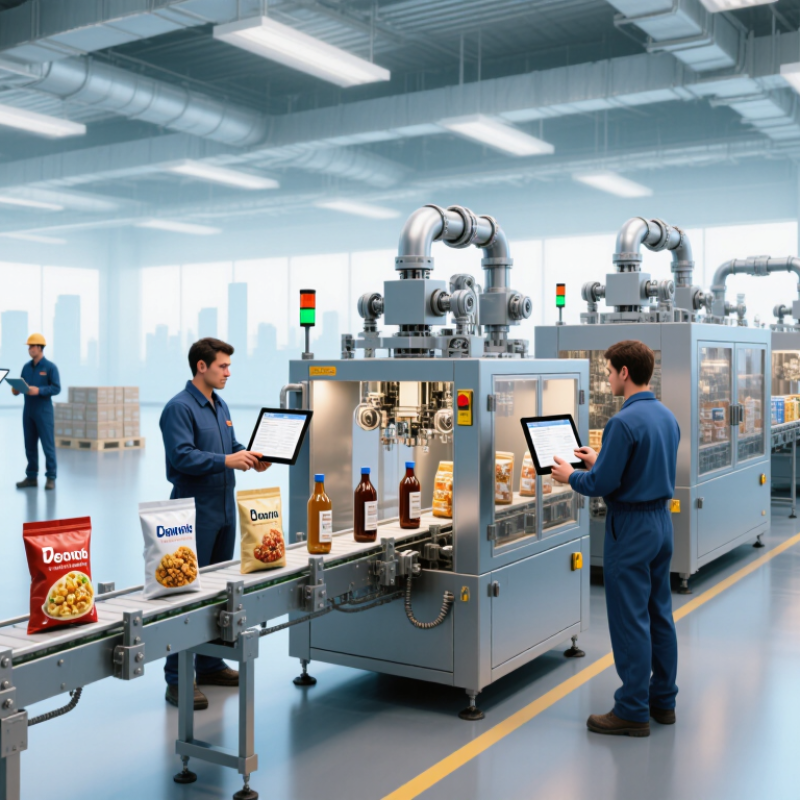
Packaging equipment refers to the machines used to fill, seal, label, wrap, inspect, and move products. It supports both primary packaging and outer shipping cartons. In a working facility, a filler measures each portion, while a conveyor keeps containers moving at a steady pace. A sealing unit then closes the package and helps prevent leakage, dust, or damage. Small details matter. A loose seal can stop an entire production shift.
For global buyers, packaging equipment matters because product quality depends on consistent handling. Buyers must examine speed, accuracy, material compatibility, power requirements, and available floor space. A machine designed for one package size may perform poorly with another. Cleaning access also deserves attention, especially where frequent product changes occur. Practical evaluations should include sample testing, noise levels, operator safety, and maintenance access. Technical drawings and clear operating manuals reduce costly misunderstandings between suppliers and production teams.
Reliable equipment is more than a high output number. It should offer stable performance, replaceable wear parts, and responsive technical support. Spare parts may take longer to arrive across borders, so this risk needs honest planning. No machine is perfect. A faster line can create more waste if settings are difficult to adjust. Buyers should request test records, installation guidance, training details, and realistic production data before approval. Even careful evaluations can miss a problem, which is why trial runs and written acceptance standards remain valuable.
Why Is Packaging Equipment Essential for Global Buyers? - What Is Packaging Equipment and Why Does It Matter?
A practical comparison of major packaging equipment categories, operating characteristics, buyer requirements, and international considerations
| Equipment Category | Primary Packaging Function | Typical Product Formats | Indicative Throughput Range* | Key Buyer Benefits | Important Selection Factors | Common International Requirements |
|---|---|---|---|---|---|---|
| Filling Machines | Measures and dispenses a defined quantity of liquid, powder, granules, or viscous product into a container. | Bottles, jars, pouches, cans, tubes, and sachets. | Approximately 20–600 containers per minute, depending on product, filling method, and number of heads. | Improves dosing consistency, reduces product loss, and supports repeatable production quality. | Product viscosity, particle size, filling accuracy, container shape, hygiene requirements, and cleaning method. | Food-contact materials, sanitary design, electrical safety, local voltage, and applicable food or pharmaceutical regulations. |
| Form-Fill-Seal Machines | Forms packaging material, fills the package, and seals it in one integrated process. | Pillow bags, three-side-seal pouches, sachets, and stand-up pouches. | Approximately 30–300 packages per minute for many commercial applications. | Reduces manual handling, saves floor space, and combines several packaging stages into one line. | Film structure, seal temperature, package dimensions, product flowability, changeover time, and gas flushing needs. | Film suitability, sealing performance, machine guarding, compressed-air quality, and regional electrical standards. |
| Cartoning Machines | Opens cartons, inserts products or leaflets, and closes the carton. | Folding cartons containing bottles, tubes, blister packs, pouches, or individual products. | Approximately 30–400 cartons per minute, based on carton style and automation level. | Creates consistent presentation, supports tamper-evident solutions, and reduces repetitive manual packing. | Carton dimensions, board quality, product orientation, leaflet integration, and format-change requirements. | Recyclable paperboard objectives, print and labeling rules, product traceability, and safety guarding. |
| Case Packers | Groups finished products and places them into shipping cases or outer cartons. | Bottles, cans, cartons, pouches, trays, and multipacks. | Approximately 10–60 cases per minute for many secondary-packaging applications. | Improves pallet stability, reduces lifting work, and increases consistency in distribution packaging. | Case dimensions, product arrangement, corrugated-board strength, robotic or mechanical loading, and line layout. | Shipping-case specifications, pallet patterns, workplace safety, and regional handling requirements. |
| Palletizing Systems | Arranges cases, bags, or cartons in stable layers on pallets for storage and transportation. | Corrugated cases, sacks, trays, drums, and bundled products. | Approximately 5–30 cases per minute for many robotic or conventional systems. | Reduces manual handling, improves pallet repeatability, and supports safer warehouse operations. | Load weight, product fragility, pallet size, stacking pattern, robot reach, and available floor space. | Machine guarding, risk assessment, pallet dimensions, warehouse automation interfaces, and local electrical codes. |
| Wrapping and Stretch-Wrapping Machines | Applies stretch film or other wrapping material around products or completed pallets. | Pallet loads, bundled cartons, trays, and irregular unit loads. | Approximately 20–120 pallet loads per hour, depending on film application and load size. | Improves load containment, protects goods from dust and moisture, and reduces film-use variation. | Load stability, film type, pre-stretch ratio, pallet dimensions, wrapping pattern, and film recycling policy. | Film thickness, packaging-waste regulations, workplace safety, and compatibility with regional pallet formats. |
| Labeling Machines | Applies pressure-sensitive, wraparound, in-mold, or other labels to products or packages. | Bottles, jars, cartons, tubes, cases, and pallets. | Approximately 30–600 units per minute, depending on label type, container geometry, and inspection needs. | Supports product identification, regulatory information, barcode use, and consistent brand presentation. | Label material, adhesive performance, container surface, print quality, barcode verification, and changeover speed. | Language and measurement-unit rules, barcode standards, recycling marks, lot coding, and mandatory product information. |
| Coding and Marking Systems | Prints batch numbers, dates, serial numbers, barcodes, and variable production information. | Primary packages, secondary cartons, cases, labels, and flexible films. | Often 60–1,000 products per minute, depending on print technology and code complexity. | Improves traceability, supports recalls, and helps meet date-code and identification requirements. | Print resolution, substrate, ink or consumable type, code verification, line speed, and data connectivity. | Traceability rules, food-contact controls, solvent handling, barcode standards, and data-security practices. |
| Checkweighers and Inspection Systems | Checks weight, detects foreign objects or defects, and removes nonconforming products. | Packaged food, pharmaceuticals, beverages, personal-care products, and industrial goods. | Approximately 60–600 packages per minute for many inline inspection applications. | Reduces underweight packages, supports quality control, and helps prevent defective products from shipping. | Product size, target accuracy, metal or X-ray sensitivity, reject mechanism, calibration, and data recording. | Measurement verification, hygienic construction, audit trails, product safety rules, and validation procedures. |
| Vacuum and Gas-Flushing Equipment | Removes air or replaces it with a controlled gas mixture before sealing the package. | Coffee, snacks, fresh food, medical products, and oxygen-sensitive goods. | Approximately 10–100 packages per minute, depending on chamber size and required vacuum cycle. | Can help extend shelf life, reduce oxidation, and protect products during international transport. | Target residual oxygen, gas supply, seal integrity, product sensitivity, chamber size, and packaging-barrier properties. | Gas purity, food-safety controls, pressure-system safety, package validation, and transport-temperature requirements. |
| Strapping and Bundling Machines | Secures cartons, bundles, or pallet loads with plastic or steel strap. | Cartons, newspapers, building materials, parcels, and palletized goods. | Approximately 15–60 cycles per minute for many automatic systems. | Improves load security, reduces manual tying work, and supports standardized warehouse handling. | Strap width, tension, product compression tolerance, package dimensions, sealing method, and maintenance access. | Strap material requirements, recycling considerations, operator safety, and local power specifications. |
| End-of-Line Integrated Systems | Connects conveying, inspection, case packing, palletizing, wrapping, and data systems into one coordinated line. | Consumer goods, food and beverage products, household products, and industrial components. | Designed around the required line rate; many systems operate continuously at 20–150 cases per minute. | Reduces transfer points, improves production visibility, and allows coordinated automation across multiple stages. | Line balance, footprint, product changeovers, control architecture, upstream compatibility, and service support. | Machine safety assessment, electrical compatibility, communication protocols, documentation, and operator training. |
*Throughput figures are indicative industry ranges rather than guaranteed capacities. Actual performance depends on product characteristics, package dimensions, material specifications, machine configuration, operator skill, and required quality checks.
Related Posts
-
What Are the 2026 Best Packaging Equipment Systems?
-
How to Choose the Right Packaging Automation Equipment?
-
How to Choose the Right Packaging Equipment for Your Business Needs?
-
How to Choose the Right Packaging Equipment for Your Business?
-

2026 How to Choose the Right Packaging Equipment for Your Business?
-

Top Packaging Machines Manufacturers for Global Buyers