NEED HELP FAST? We have over 40 years' experience with Bulk Material Handling, Packaging, and Processing. (979) 217-1480 GET A QUOTE
NEED HELP FAST? (979) 217-1480 GET A QUOTE

Choosing among the 7 best bagging machines for global buyers requires more than comparing prices or production speeds. Packaging conditions vary widely. Product texture, bag material, filling weight, and factory space can change the right decision.
This guide examines bagging machines through practical purchasing criteria. These include dosing accuracy, sealing performance, automation level, cleaning access, and after-sales support. It also considers power requirements, language options, spare-part availability, and operator training. A reliable machine should maintain stable output during long shifts, not only perform well during a showroom demonstration. Small details matter. A simple touchscreen can reduce training time. Quick-release parts can make daily cleaning less demanding.
The selection is intended to help importers, manufacturers, and distributors compare realistic options. It does not claim that one machine suits every market. A compact premade-pouch system may fit a food producer, while a heavy-duty open-mouth machine may better serve agricultural materials. Buyers should verify local electrical standards, safety certifications, installation conditions, and packaging regulations before ordering. Supplier references are valuable, but they should be checked carefully. Factory trials using the buyer’s actual product can reveal problems early. Even experienced purchasers may overlook humidity, dust, or inconsistent particle size. That is where this review remains deliberately cautious. Performance figures can change under real operating conditions. A careful buyer should request written specifications, test records, warranty terms, and total ownership costs before making a final decision.
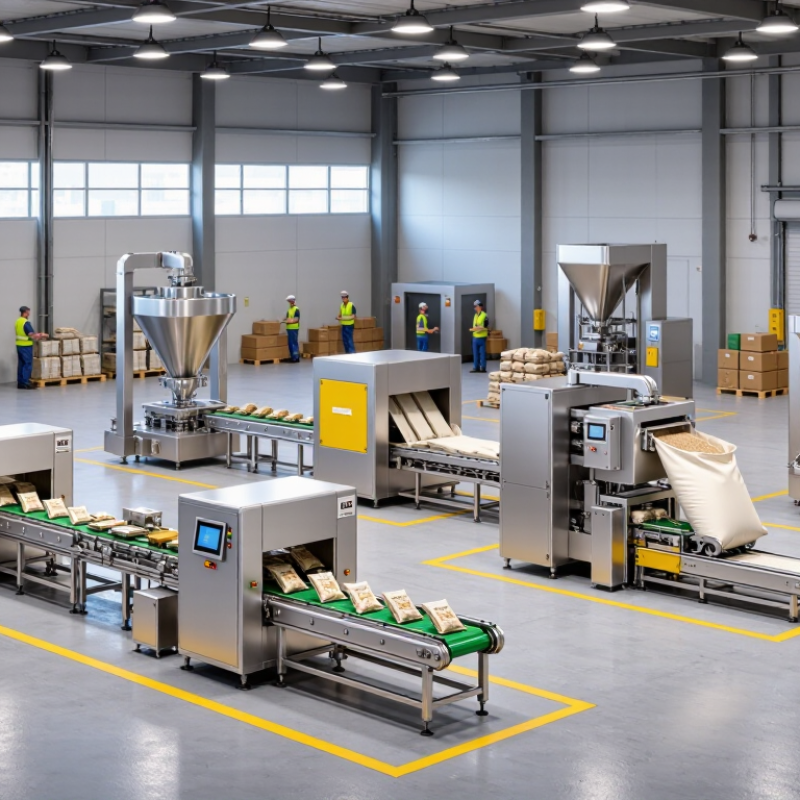
A bagging machine fills and closes containers with controlled speed and accuracy. It may weigh, dose, seal, stitch, or label products. In plant evaluations, the best machine matches the material, bag design, and required output. A faster line is not automatically better. Poor calibration can create underfilled bags, product loss, and customer complaints.
Global buyers often compare seven main types: open-mouth, valve, form-fill-seal, premade-pouch, woven-sack, net, and bulk bagging machines. Open-mouth systems suit grains, feed, and powders. Valve machines reduce dust during filling. Form-fill-seal equipment creates bags from film rolls, saving storage space. Premade-pouch machines handle products needing attractive retail packaging. Net systems work well for produce, while bulk units serve industrial materials. Woven-sack machines provide strength for heavy contents.
Applications range from food and agriculture to chemicals, minerals, and construction materials. Each sector demands different contact surfaces, weighing systems, and closure methods. Food lines need hygienic construction and easy cleaning. Powder applications require dust control and stable airflow. Heavy products need reinforced frames and dependable stitching or heat sealing. Buyers should check local electrical requirements, safety protections, spare-part access, and operator training. These details are often overlooked. They should not be.
Testing the actual product remains essential before purchase. Material flow can change with humidity, particle size, or temperature. A machine performing well with samples may struggle during a full shift. Requesting trial runs, weighing results, and maintenance records supports a more reliable decision. No machine fits every plant.
Choosing among seven leading bagging machine types requires more than comparing advertised speed. Each design suits a different product, package, and operating environment. Open-mouth machines handle grains, seeds, and many free-flowing materials. Valve baggers reduce dust during cement-like powder filling. Form-fill-seal systems create bags from film rolls, saving storage space. Net-weigh machines measure a target weight before release. Gross-weigh machines fill the bag while it rests on the scale. Auger fillers suit fine powders, although material flow can vary. Vacuum bagging machines remove air and create compact, stable packages.
In practical equipment evaluations, weighing accuracy often matters more than maximum speed. A busy plant may need stainless steel contact parts, sealed controls, and easy cleaning. Moisture, static, and uneven particle size can change performance. Buyers should check bag dimensions, target weights, electrical standards, and available service support before ordering. A machine that runs well in a showroom may struggle beside a dusty loading area. That risk deserves honest attention.
Tips: Request a sample test using your actual material and bags. Measure weight variation across several runs. Confirm dust-control features and guarding. Ask about spare parts, operator training, and remote troubleshooting. Leave room for future products, but avoid paying for capacity you will not use. My own preference is cautious selection: simple controls and dependable maintenance often outperform impressive specifications.
The chart compares seven widely used bagging machine types by indicative typical throughput. Values show the midpoint of commonly published operating ranges for standard bag sizes and materials; actual performance depends on product characteristics, bag format, automation level, and filling weight.
Throughput is measured in bags per minute. Bulk FIBC systems handle much larger bags, so their cycle rate is naturally lower than that of small-bag systems.
Choosing among the 7 best bagging machines for global buyers requires more than comparing speed. Smithers’ The Future of Global Packaging to 2028 projects the packaging market will approach $1.2 trillion by 2028. This growth increases pressure on filling accuracy, uptime, and material efficiency. Buyers should compare vertical form-fill-seal, horizontal form-fill-seal, open-mouth, valve, auger, net-weigh, and volumetric systems against actual product behavior.
Speed looks attractive. It can also mislead. A machine rated at 60 bags per minute may slow sharply with dusty powder, uneven granules, or fragile products. Check verified output using your material, target bag weight, and sealing film. Weighing accuracy, servo control, changeover time, and dust extraction deserve equal attention. PMMI’s 2024 State of the Industry report places U.S. packaging machinery shipments above $10 billion in 2023, reflecting strong investment in automation and flexible equipment. Still, automation is not automatically economical. Spare-part availability, operator training, electrical standards, and remote diagnostics affect the real payback.
Sustainability needs measurement, not slogans. Compare film consumption, reject rates, compressed-air demand, and energy use per thousand bags. Ask suppliers for factory acceptance test records and performance data from similar products. A machine may perform well in a showroom but struggle beside a humid production line. That gap deserves investigation. Buyers should also examine cleanability, safety guarding, software access, and integration with conveyors or checkweighers. Reliable selection comes from tested evidence, not impressive brochures.
Choosing the right bagging machine starts with the product, not the machine price. Free-flowing rice, sugar, and plastic pellets suit linear or multihead weighers. Powdered flour needs an auger filler, because dust can escape through weak seals. Sticky snacks may require a net-weigh system with anti-bridging controls. Fresh produce often benefits from gentle, open-mouth packing. For fragile items, excessive vibration is a hidden risk.
PMMI’s packaging machinery reports identify food and beverage as major automation sectors, driven by labor shortages and demand for consistent throughput. FAO’s food-loss data also matters: about 13.2% of food is lost between harvest and retail. A suitable bagging machine can reduce spillage, underweight packs, and handling damage. However, output claims can look attractive on paper. Real performance changes with humidity, product density, bag material, and operator skill. I have seen a fast machine perform poorly with damp powder.
Tips: Test your actual product before buying. Ask for samples using your own bags and target weight. Measure dust, seal strength, changeover time, and rejected packs. Check whether the machine supports your filling range, not only your current product. For global buyers, confirm electrical standards, spare-part availability, remote support, and local service response. A lower purchase price may create higher downtime later. Think carefully.
How to Choose a Bagging Machine for Different Products
| Machine Type | Best For | Typical Products | Common Bag Materials | Typical Output* | Typical Filling Range* | Key Selection Considerations |
|---|---|---|---|---|---|---|
| Open-Mouth Bagging Machine | Powdery and granular products requiring pre-made open bags | Flour, animal feed, starch, fertilizer, cement, grains | Paper, woven polypropylene, polyethylene-lined bags | Up to about 20 bags/min | 5–50 kg per bag | Select auger filling for powders and gravity or net-weigh filling for free-flowing granules. Check dust control and bag-mouth sewing or heat sealing. |
| Form-Fill-Seal Bagging Machine | Continuous packaging from roll film with integrated bag forming and sealing | Rice, sugar, salt, pet food, seeds, snacks, detergents | Polyethylene, laminated film, polypropylene film | Approximately 20–80 bags/min | 10 g–25 kg per bag | Verify film width, film thickness, sealing temperature, product flow characteristics, and the required bag style before purchase. |
| Auger-Filler Bagging Machine | Accurate filling of fine, dusty, or cohesive powders | Spices, milk powder, flour, cocoa, pharmaceutical powders, chemical powders | Laminated pouches, polyethylene bags, paper bags, sachet film | Approximately 10–60 bags/min | 10 g–5 kg per bag | Consider powder density, flowability, dust extraction, auger design, dosing accuracy, and whether a stirrer is needed to prevent bridging. |
| Multihead Weigher Bagging Machine | High-speed, weight-based filling of mixed or irregular products | Snacks, nuts, candy, frozen foods, dried fruit, hardware parts | Polyethylene, polypropylene, laminated roll film | Approximately 30–120 bags/min | 10 g–5 kg per bag | Match the number of weighing heads to the target speed. Product fragility, stickiness, piece size, and cleaning requirements strongly affect performance. |
| Net-Weigh Bagging Machine | Accurate weighing of medium- to large-volume granular products | Grain, animal feed, pellets, fertilizer, mineral products, plastic granules | Woven polypropylene, paper, polyethylene, laminated woven bags | Approximately 8–30 bags/min | 10–50 kg per bag | Evaluate weighing tolerance, hopper capacity, product bulk density, dust levels, and the required closure method such as sewing or heat sealing. |
| Valve Bag Filling Machine | Fast filling of pre-made valve bags with powders or fine materials | Cement, mortar, gypsum, lime, flour, chemical powders | Multiwall paper, laminated paper, polyethylene-lined valve bags | Approximately 5–20 bags/min | 10–50 kg per bag | Choose pneumatic, impeller, or auger filling according to powder behavior. Check valve dimensions, air consumption, dust filtration, and bag release speed. |
| Small-Pouch Sachet Packing Machine | Retail-size portions and promotional or single-use packs | Seasonings, instant coffee, sauces, shampoo, liquid detergents, pharmaceutical powders | Laminated film, polyethylene film, polypropylene film, foil laminate | Approximately 30–200 sachets/min | 1–500 g or up to about 500 ml | Confirm whether the product is powder, liquid, paste, or granule. Review sealing integrity, film compatibility, dosing accuracy, and changeover time. |
*Output and filling ranges are typical industry ranges and vary with product characteristics, bag size, filling accuracy, machine configuration, and operator conditions.
7 Best Bagging Machines for Global Buyers
Global Purchasing, Installation, Compliance, and After-Sales Support
Choosing among the seven main bagging machine types requires more than comparing output speed. Open-mouth, valve, form-fill-seal, auger, net-weigh, gross-weigh, and pneumatic systems suit different materials and bag formats. In my experience, buyers should request tested samples before signing a purchase contract. Fine powder may bridge inside a hopper, while granular products can damage weak sealing areas. A short video test is helpful, but it cannot replace a factory acceptance test.
Global purchasing also depends on installation planning. Confirm voltage, air pressure, floor space, feeding height, and local language manuals. Ask whether remote commissioning, spare parts, and technician visits are included. Compliance documents should cover electrical safety, guarding, materials, noise, and packaging-contact requirements where applicable. Requirements differ by destination. Treat generic certificates carefully.
Tips: Request drawings early. Check every interface.
After-sales support often decides the real cost. A reliable supplier should provide troubleshooting steps, recommended spare-part lists, operator training, and response-time commitments. Keep photos of wiring and calibration settings during installation. This can shorten diagnosis later. Still, no machine is perfect. Early estimates may overlook dusty rooms, unstable air supply, or operator turnover. Rechecking these details before shipment can prevent expensive modifications and disappointing production results.